Jobs and Education: launching our latest report on building the bridge to opportunity
We held the launch event for our latest report, ‘Jobs and Education’, with a star studded panel to discuss what businesses and schools can do to tackle the NEETs crisis.
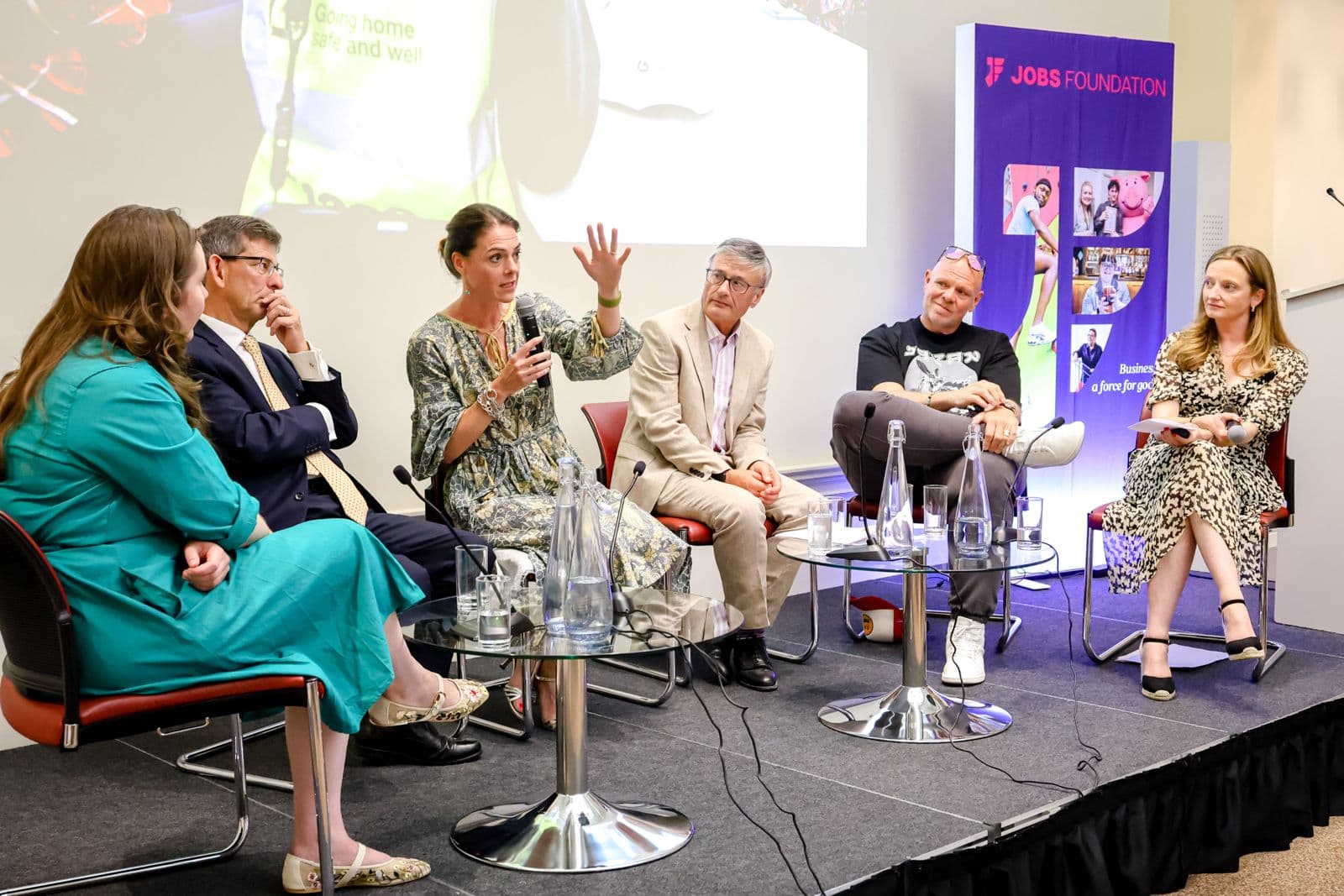
Jobs and Education: launching our latest report on building the bridge to opportunity
A statistic that is increasingly seared into our brains is that there are currently over a million 16 to 24-year-olds not in education, employment or training. That was the picture our CEO, Georgiana Bristol painted as she opened the launch of our latest report, Jobs and Education: Building the Bridge to Opportunity, last week at the Royal Society of Chemistry.
We were lucky to gather a panel who have spent their careers looking at this problem from every angle: Tom Kerridge, chef and restaurateur; Julie Leonard, Chief Impact Officer at the Shaw Trust; and Sir Dan Moynihan, Chief Executive of the Harris Federation; alongside the report’s co-authors, Tim Clark and Catherine Frost.
The thread running through the discussion was the report’s central idea, that the bridge from education into work has two sides, and we will only fix this by working on both at once. Tim opened by stating that the single biggest thing that protects a young person from becoming NEET is a good education. Not a one-size-fits-all march to university, but the kind of education that lets any young person grow whatever their background. He made the case for three things: careers education that genuinely inspires, which some schools do wonderfully and others barely at all; a broader curriculum offering real technical and vocational routes from age 14; and schools that value building character over just exam results, the thinking behind the report’s proposed non-academic employability certificate.
Catherine then turned the argument around, saying that the report began by asking what schools could do better to prepare young people for the world of work, before quickly realising that the NEETs crisis is just as much of a demand problem. She mentioned how employers now increasingly hire for character and willingness to learn over credentials, pointing to the likes of EY dropping degree classification requirements when hiring to widen their talent pool. Yet the rise in Employer NICs and the minimum wage has made it more expensive to hire a young person than five years ago. How, she asked, is anyone meant to build skills on the job if the employers who would offer that first chance are being priced out of it?
Turning to the long-term factors that are stopping young people moving across the bridge from education into work, Sir Dan argued that the challenge of preparing young people for work has to start far earlier than 16, pointing to a disadvantage gap that opens by age five, and making a powerful case for early-years support in the mould of Sure Start. He offered practical solutions on careers guidance, describing how the specialist careers professionals that schools need are scarce, as the role demands a master’s-level qualification and schools have no budget to hire them. His fix was to fund the required degrees and give schools ring-fenced money for careers teachers; a change he suggested could cut the probability of a disadvantaged young person becoming NEET by around eighteen per cent.
Julie had lots of insight on working with those most at risk of being written off, describing the accessible, employer-led work experience the Shaw Trust designs for students too anxious to walk into a placement alone. Drawing on Alan Milburn’s review, she reframed much of the crisis: a large share of the growth in the NEET population is bound up with health, anxiety and neurodivergence rather than any lack of desire to work, so we should stop trying to solve a problem of a million people at once and instead design real solutions cohort by cohort.
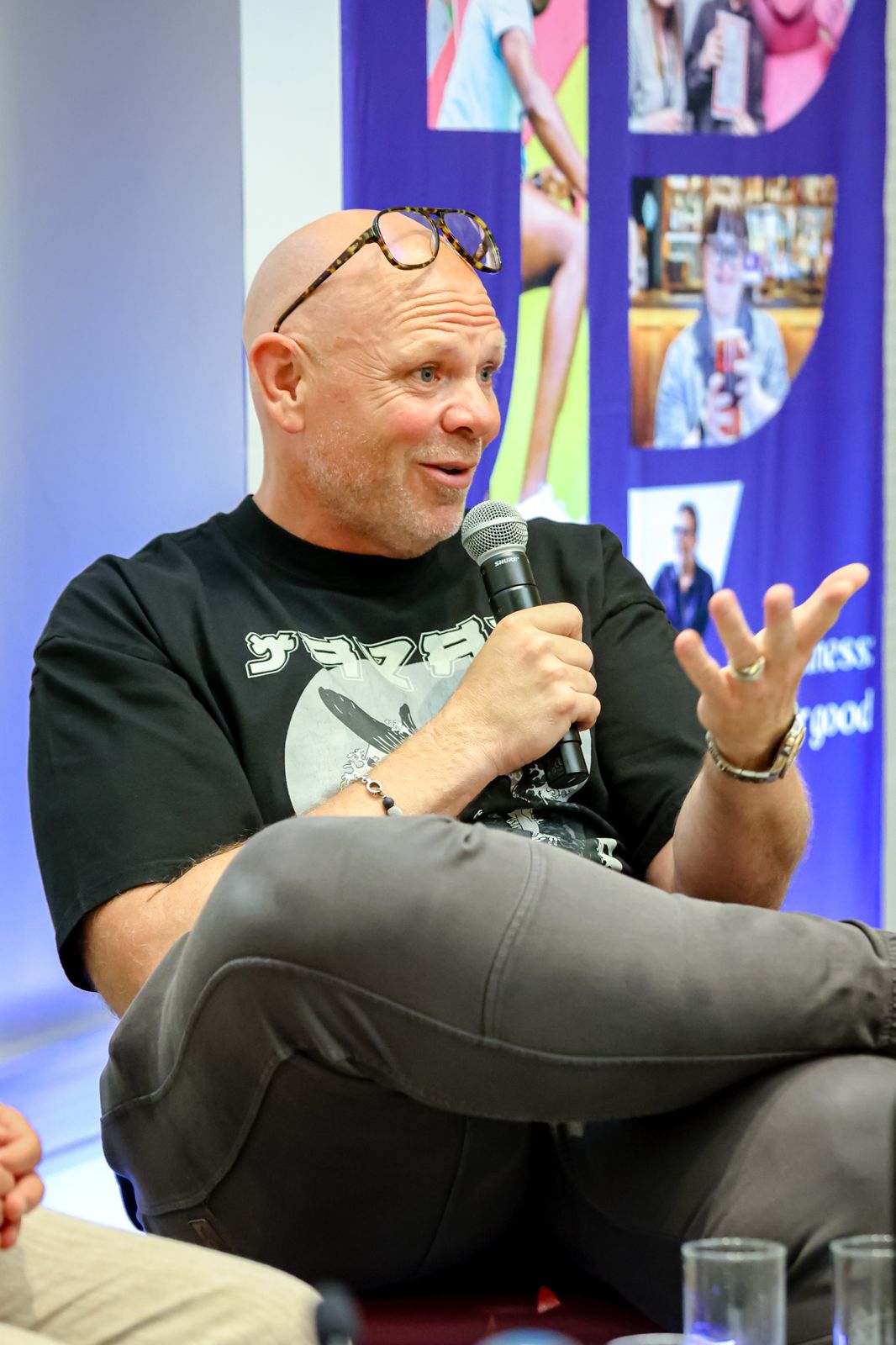
Tom described the power and importance of vocational careers. He acknowledged that training carries a cost that bites hardest on small businesses, but the long-term prize is in highly skilled, highly loyal staff. As AI reshapes the labour market, it is the plumbers, mechanics, builders and chefs whose work cannot be automated, and these are careers that can carry a young person from a state school around the world. His rallying cry was to make the trades aspirational once more.
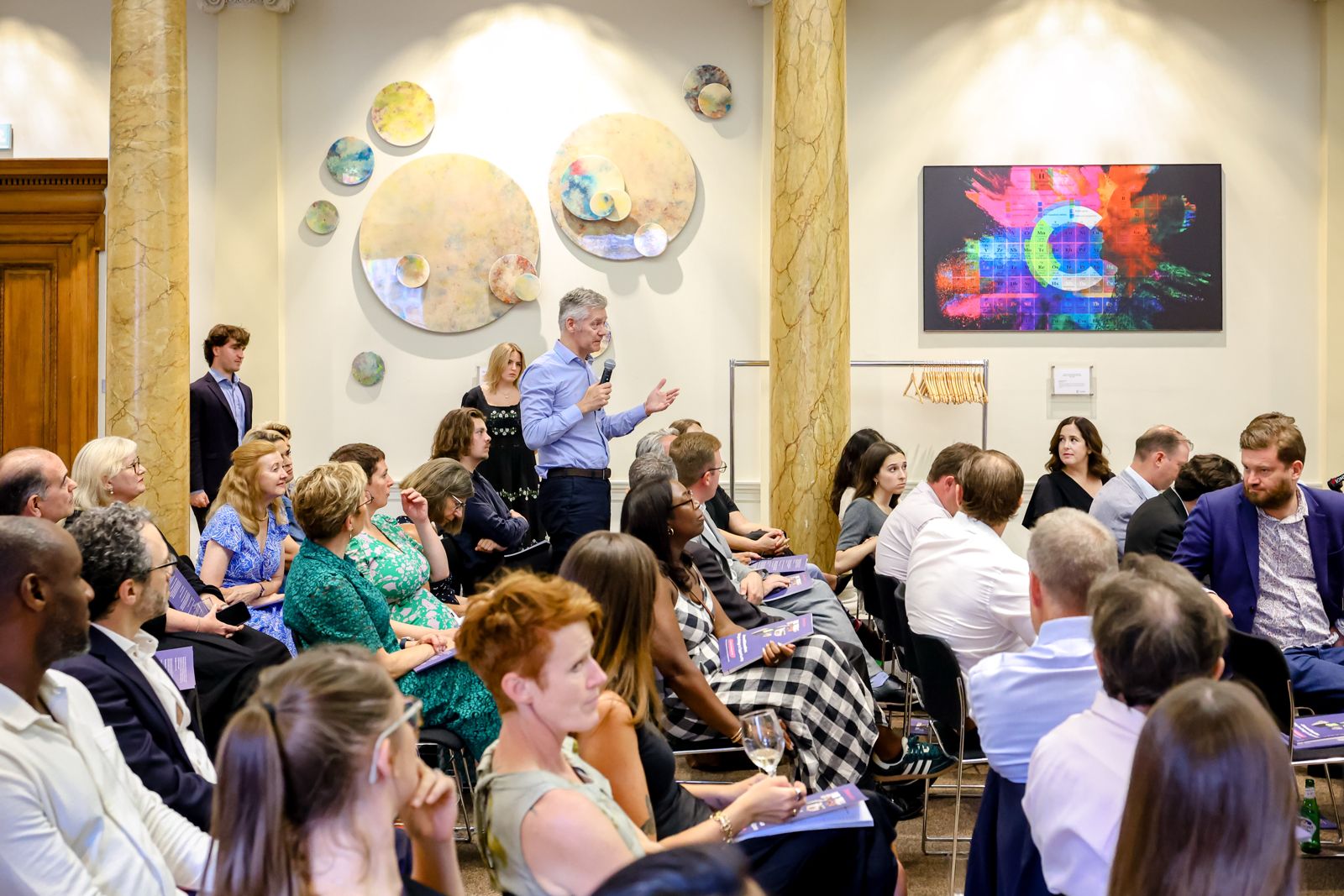
The audience had their own set of passionate thoughts and questions, with lively exchanges on the red tape that puts employers off offering placements, the long-discussed employability passport, and whether too many young people are steered towards university when work can build the same independence and life skills. On social media, Sir Dan pointed to Jonathan Haidt’s The Anxious Generation, while Julie tied rising disengagement to the loss of routine that hits when a young person leaves school with nowhere to go.
Georgiana closed by bringing us back to why this matters. At the Jobs Foundation we are unashamedly passionate about jobs, and about the structure, purpose and dignity that good work brings to a person, their family and their community.
We’ll be continuing our campaign to give schools and businesses the right tools and the right policy environment to get our young people working, taking the report across the country to bring schools and businesses together to discuss what can be done on the ground in local communities.
You can read the full report here – please do share!