Our Breakfast with Sarah Elliott, Lady Elliott of Mickle Fell
We were delighted to be joined at our May breakfast by Lady (Sarah) Elliott, who leads the UK-US Special Relationship Unit at the Prosperity Institute. She shared her insights on the recently announced UK-US Trade Deal and what to expect from the negotiations ahead.
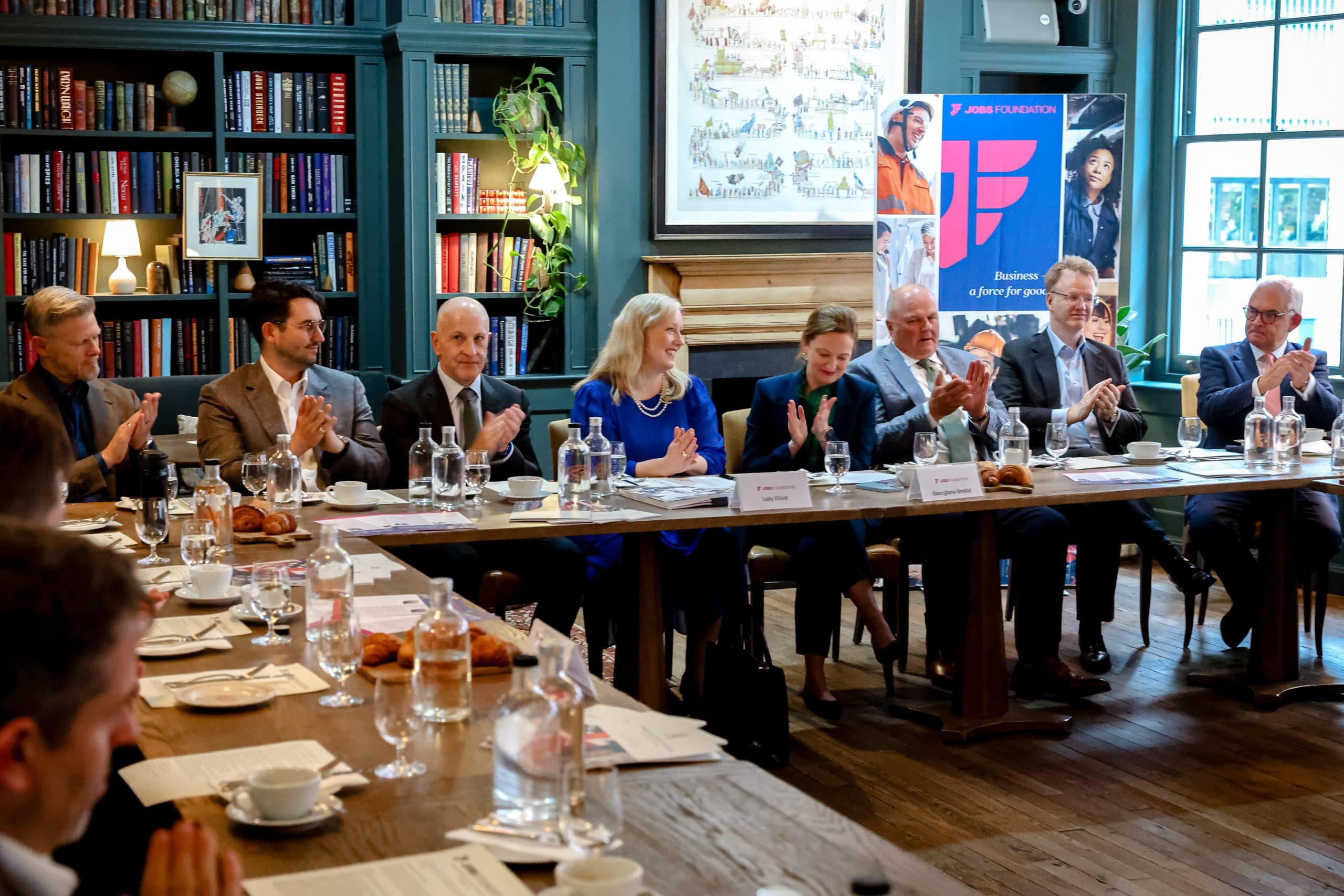
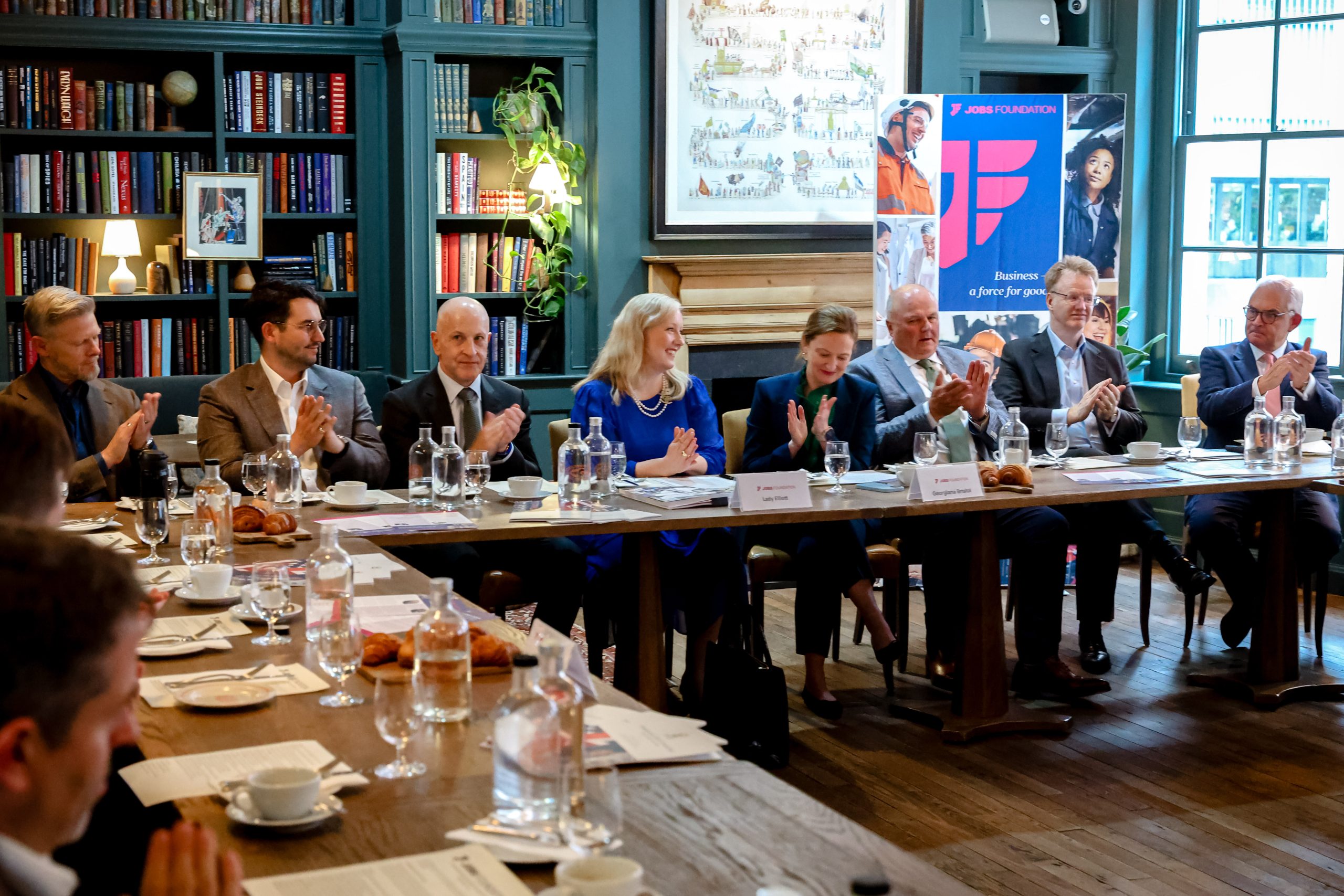
Following the announcement earlier this month of a UK-US Trade Deal, the timing of Sarah’s visit felt particularly fortuitous. Sarah brings a wealth of experience to this topic. In addition to her role at the Prosperity Institute, an organisation dedicated to advancing the ideas that underpin national prosperity, she is also Chair and co-founder of The Hamilton Society, a London-based forum promoting centre-right Anglo-American dialogue. A prominent commentator on US-UK relations, Sarah frequently provides a Republican viewpoint across major UK media outlets.
She opened the breakfast by highlighting the enduring importance of the UK-US special relationship and laid out the current landscape of US-UK trade. The United States is the UK’s largest export market, while the UK is among the largest destinations for US goods and the leading market for US services. Drawing on research she conducted at the Prosperity Institute, she outlined top policy recommendations for a successful trade agreement and offered her thoughts on the detailed negotiations still to come.
She underscored the strategic value of prioritising trade with allies, rather than with regimes that oppose Western democratic values. The ideal trade deal, Sarah argues, would be a tariff-free and quota-free relationship which would strengthen both nations’ economies and the transatlantic relationship.
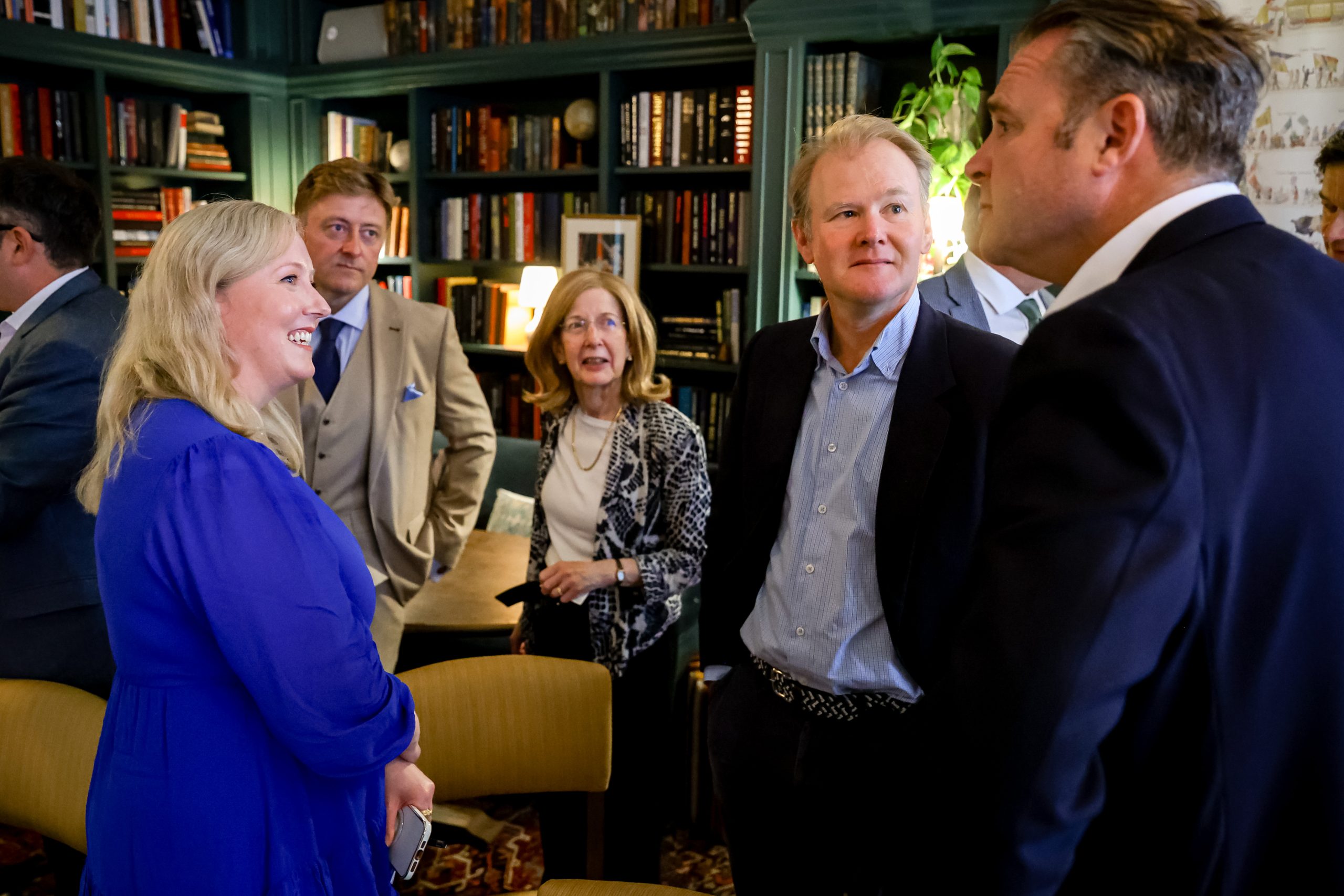
Sarah raised the potential issues with the current international trade rules and the need for the US and UK to work together to develop new rules that better support genuine developing nations and not allow countries to self-identify as developing nations.
Agriculture, she noted, remains a particularly important area in reaching a comprehensive agreement. As the UK is a net importer of food, reducing tariffs will be advantageous to both nations and will require careful negotiation. Sarah also warned that increasing alignment with the EU, as this could complicate progress this area.
Turning to digital trade, Sarah welcomed the Data Bridge established in October 2023, calling it a promising step toward deeper integration. She advocated for expanding this initiative to strengthen data transfers and business collaboration. Sarah spoke of the importance of the UK and US leading the collaboration to establish new global trade rules rather than taking direction from others.
Sarah raised some of the concerns originating from the other side of the Atlantic, including the issues raised by some in the US Government about freedom of speech in the UK. She recognises that some of the issues of concern have been overstated; however, she firmly believes that freedom of speech will be an area of discussion that will be explored further in future negotiations between our two countries.
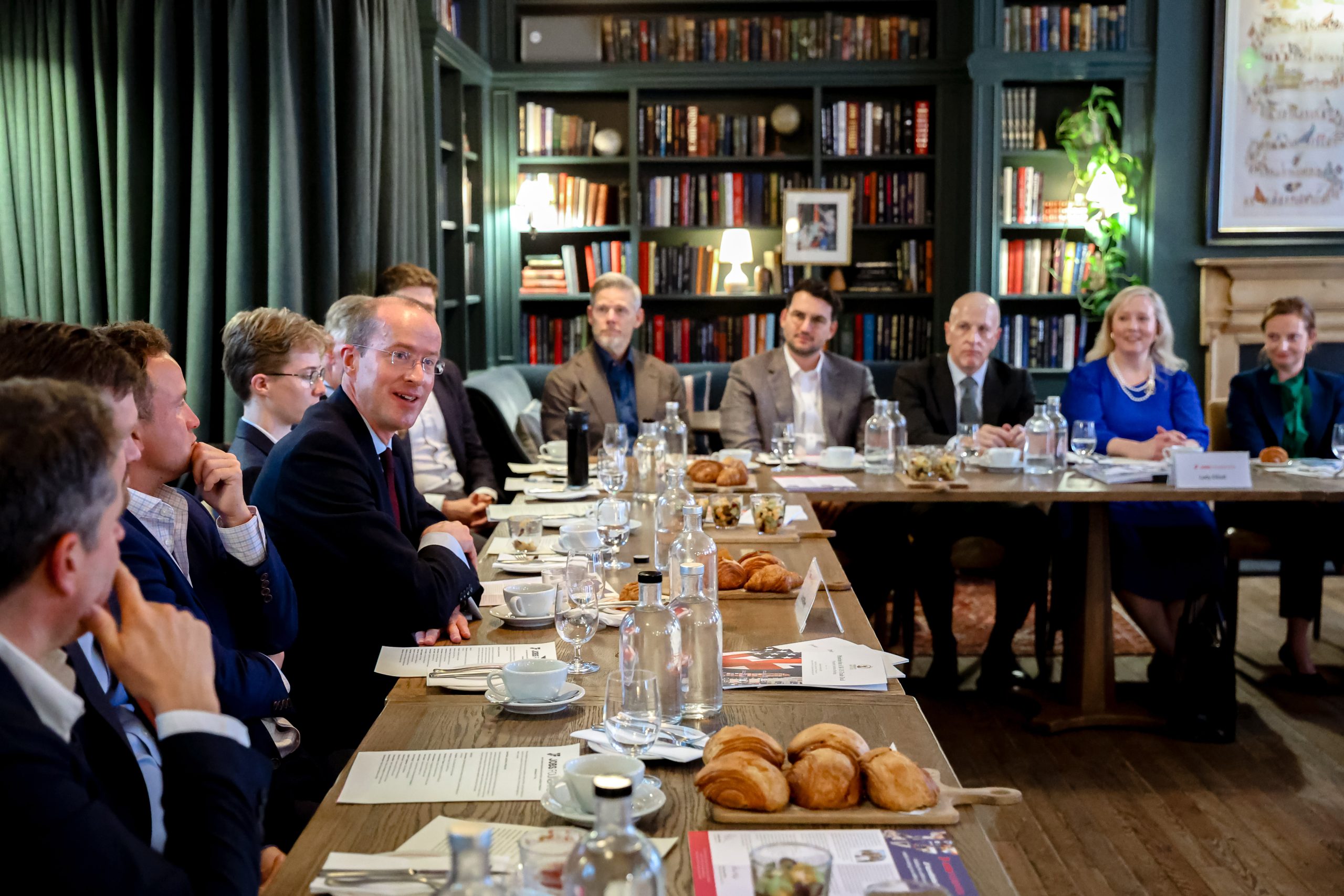
Sarah’s remarks left the room with an optimistic vision for the future of the UK-US relationship. The economic opportunities of closer cooperation are significant, and the path ahead is full of potential for shared growth. The deal reached on the 8th of May is just a beginning framework with much more to do. Sarah’s final words made this possibility clear: “Stay tuned.”
As the breakfast wrapped up, Lord Elliott offered encouragement for Sarah’s work at the Prosperity Institute and their foresight into this area of research. He reflected on how, just 18 years ago, the UK had little direct involvement in trade policy, with such matters handled by the European Union. Now, he noted, the UK has the power to shape its own trade future—and with it, the future of the Special Relationship.