Our President responds to June’s ONS Employment Figures
In response to June’s employment figures, our President, Matthew Elliott, wrote for City AM.
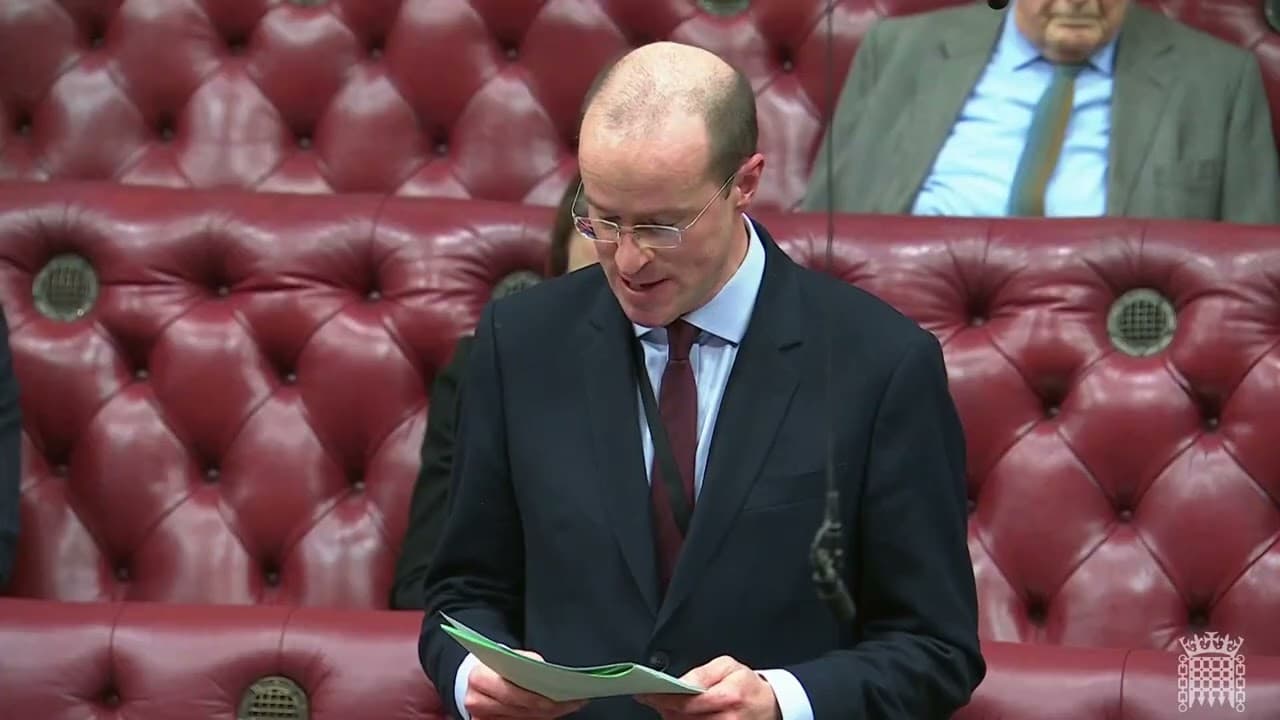
In response to June’s employment figures, our President, Matthew Elliott, wrote for City AM:
Today’s employment figures from the ONS must serve as a wake-up call to the government that their economic agenda is running adrift. We have now entered the third consecutive month when payrolled employment has fallen, with current estimates being that there are now 274,000 fewer people in a job compared to the previous year, including a staggering fall of 109,000 in just the last month.
The UK already has record high levels of economic inactivity, at over 9m, including nearly a million young people not in employment, education or training. This is a huge and growing strain on public finances, but more than that, a huge amount of wasted human potential.
We know that a job is the best route out of poverty, driving social mobility. And we know that businesses are the biggest engines of job creation, generating over 80 per cent of jobs in the economy, and ultimately paying the tax revenue that funds the remainder of jobs in the public sector.
But in order to do this, businesses must be supported with a policy environment that allows them to thrive.
The damage of employer NICs
That is why, in truth, this fall in employment shouldn’t necessarily come as a surprise. May was the first full month since the government’s hike to employer NICs came into force, which has obviously imposed a substantial additional cost on businesses. So it’s no surprise that increasing the cost of employing someone is having a negative impact on demand for workers.
The impact of the NICs hike can especially be felt in the sectors like hospitality and retail. These sectors are vital for giving people their first step on the career ladder, giving individuals confidence that they can be successful in the workplace. By making it too expensive for these businesses to recruit workers, we risk cutting off careers before they have begun.
And the NICs rise isn’t happening in isolation. The Employment Rights Bill will impose a raft of new requirements on businesses for hiring new workers, with new day-one rights and shortened probation periods having a significant impact on businesses’ ability to hire people from “riskier” backgrounds, like the long-term unemployed or inactive. If unamended, this Bill risks being the second half of a double whammy on businesses’ ability to create jobs.
If the cost of hiring continues to rise, and regulations continue to become more rigid, then employers will inevitably be forced to scale back.
These worrying trends come alongside a sustained rise to inflation in recent months, which is now nearly double the Bank of England’s two per cent target. This indicates that the UK is on course for a bout of stagflation, whereby sluggish growth is combined with increasing unemployment and high inflation.
The cost of stagflation is real, with fewer jobs, weaker investment and falling living standards: the worst-case scenario for a government that has staked its reputation on boosting economic growth
The cost of stagflation is real, with fewer jobs, weaker investment and falling living standards: the worst-case scenario for a government that has staked its reputation on boosting economic growth.
While we are a long way off the economic malaise of the 1970s, we risk sleepwalking into a jobs recession, with today’s fall in employment being just the beginning.
To avoid this, the government needs to pivot to a sharp focus on getting Britain working again. Businesses must be given an incentive to hire more people, starting with amending provisions in the Employment Rights Bill on day-one rights and probation periods. The NICs hike must also be revisited to make it cheaper for businesses to recruit workers. And the government must embrace business as an engine not just for economic growth, but social mobility too.
You can read the original piece here: https://www.cityam.com/worrying-jobs-figures-show-labours-britain-is-heading-for-stagflation/