Our representation to the Chancellor’s Autumn Budget
Our North East Business Council has submitted a representation to the Autumn Budget, following our roundtable at the University of Sunderland.
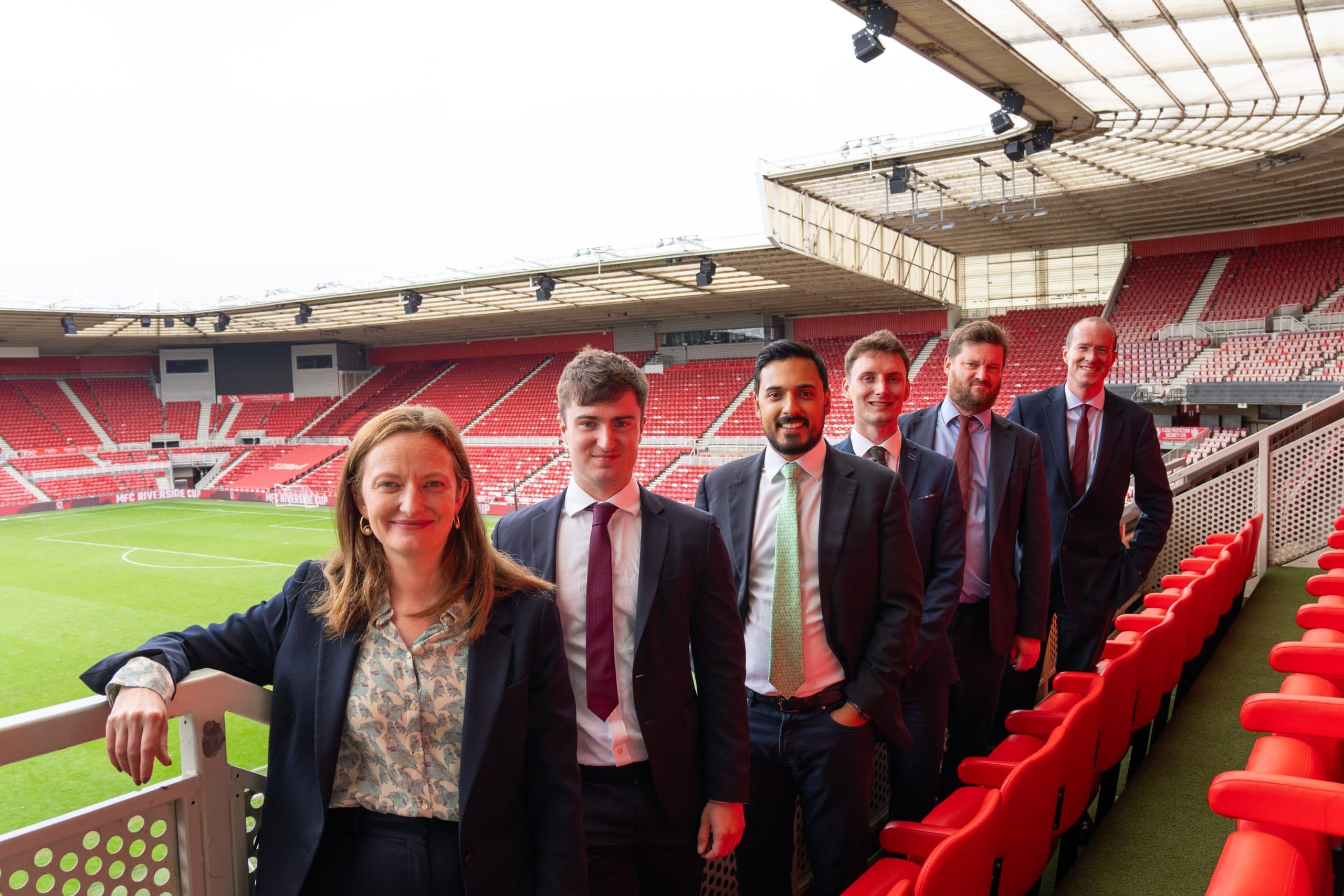
The Jobs Foundation’s North East Business Council has this week submitted a formal representation to the Chancellor ahead of the Autumn Budget, calling for a National Insurance Contributions (NICs) relief for employers who hire individuals from long-term unemployment or economic inactivity, with a proposed pilot scheme in the North East of England.
The proposal recommends that businesses recruiting individuals who have been out of work for over 12 months, or are classed as economically inactive, receive a 100% reduction in Employer NICs for the first year of employment, with the Jobs Foundation arguing that the policy would act as a “bridge back to work” for people currently locked out of the labour market, while supporting local employers who face labour shortages and high recruitment costs.
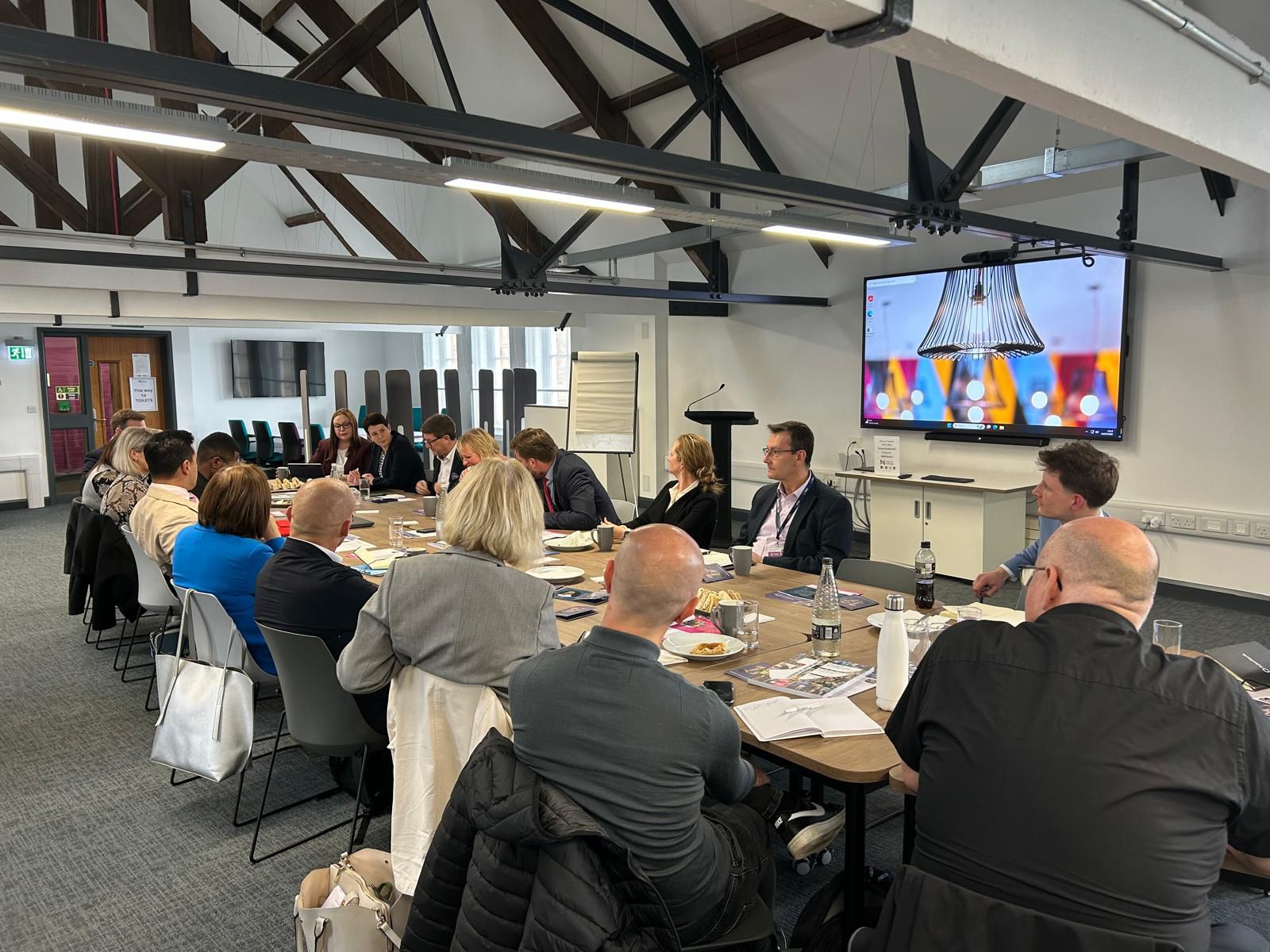
The recommendation is backed by findings from a roundtable held at the University of Sunderland on 16 September 2025, where business leaders, training providers and local charities discussed how to better connect those furthest from the labour market with meaningful employment.
Kiran Fothergill, Chair of the Jobs Foundation North East Business Council and Director at Pickerings Lifts, said
“Businesses in the North East want to hire, but too often the system puts barriers in their way. A NICs holiday would give employers the breathing space they need to take a chance on someone who’s been out of work, while helping thousands of people rebuild their lives through employment.”
With an employment rate of 68.3%, the lowest in the UK, and the highest rate of economic inactivity at 27.9%, the North East faces some of the most entrenched barriers to work in the country.
Jobs Foundation analysis suggests that between 120,000 people in the region would be eligible for the proposed pilot, equivalent to one in sixteen working-age adults, with more than 6,000 jobs being created in year 1 alone.
Joe Sayer, Founder and Managing Director of Waymaker Group, said
“In regions like the North East, where too many people are still out of work, this is a policy that pays for itself – helping small firms hire, cutting welfare dependency and getting local economies moving again.”
Jobs Foundation modelling indicates that the proposed NICs relief would be broadly revenue neutral. While the pilot would initially cost around £14.8 million in foregone NICs, this would be almost entirely offset by equivalent gains in employee income tax and NICs receipts, with potential welfare savings making the policy a net-benefit to the treasury. Nationally, a full rollout could help create 111,000 new jobs, reduce welfare spending, and contribute positively to Treasury receipts.
The proposal builds on the Government’s Get Britain Working White Paper, which set an ambitious target to raise the employment rate to 80%, equivalent to bringing two million more people into the workforce.
Polling from The Good Growth Foundation (March 2025) shows strong public support for such measures, with the majority of voters backing tax incentives for businesses hiring those on long-term sickness or disability benefits.
Joanne Vinton-Bullwinkel, Operations Director at Tees Maritime, said
“This is a practical way to turn potential into progress. Reducing Employer NICs helps businesses take a chance on people, not just profit – creating real jobs and lasting change. The North East is the perfect place to prove it works, because when you invest in people here, the impact goes far beyond the workplace”.
With thanks Kiran Fothergill, Director at Pickerings Lifts & our North East Chairman, our Steering Group members Beverley Brooks, CEO of the Recruitment Junction, Alison Dunn, CEO of the Society Matters Group, Stuart Fearn MBE, CCO at OneBanx, John McDonald, Founder of the award-winning disability inclusion consultancy Eagles Wings, Ashleigh Wright, Managing Director at Westray Recruitment, and the University of Sunderland, for their ongoing support in ensuring we were able to make this submission on behalf of the region’s business community.