Pembrokeshire: the cutting edge of Britain
This is the fourth in a series of chapters being released one by one, culminating in a full report on jobs and business across Britain that will come out in October.
Read the full report Pembrokeshire: the cutting edge of Britain
“When I was a kid, we learned about and celebrating people like Isambard Kingdom Brunel, you know, people who built things. We don’t have that culture anymore.”
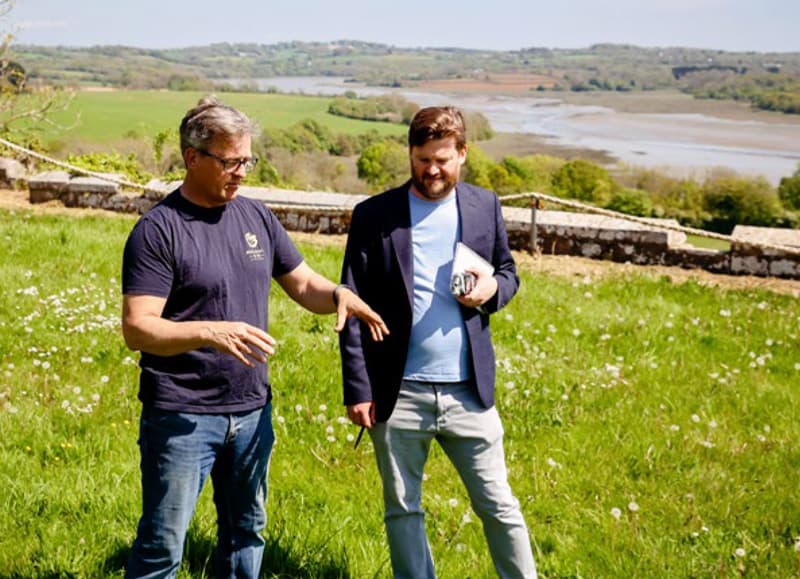
This was said by Adrian Lort-Phillips. He has taken over the renovation of the village of Lawrenny, which sits on a peninsula in the estuary of the river Cleddau, close to where the Black Mixen Pool forms. When Adrian’s father began running Lawrenny in the 1970s, the population was around 30. Adrian, taking over his father’s work in the 21 st century, has seen the village’s population quadruple. This has happened by making the village not only a good place to work, but to run a business. A large festival was mere weeks ahead of happening just outside the village when I was there – The Big Retreat, which is like a music, well-being and intellectual gathering, all rolled into one. Adrian was expecting around 3,000 visitors in total over the course of the festival’s run.
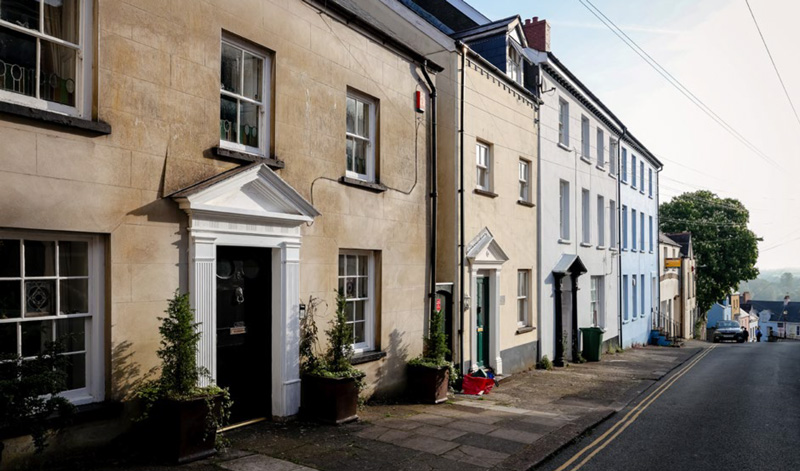
Lawrenny is the face of hope in Pembrokeshire, Wales’ southwestern most county. The flipside is the rural poverty there, as well as the pressure on the agricultural sector. A great deal of dairy farming has become automated, and while this makes dairy farming economically sustainable for now, there is a worry about what this does to agricultural jobs in future.
“Leaving the EU meant that for the first time, Wales had to have its own agriculture policy,” Samuel Kurtz, the Conservative member for Carmarthen West and South Pembrokeshire in the Senedd, said. “What we have now is called the Sustainable Farming Scheme. That’s caused a lot of anguish. Reversing 40 years of policy to do something very different has caused a lot of anxiety amongst farmers who aren’t happy with a lot of aspects of the new scheme.”
Roger Lewis, who runs Poyerston Farm, which is around ten miles east of Pembroke Dock, put it in even plainer terms.
“Farms often get tagged with this “unsustainable” tag and its completely unfair. Nature is our friend; it’s part of our business. If we abuse it, we’re not successful, so why would we do that? The reality is, over the last ten years the sector has seen massive efficiency breakthroughs. We’re sourcing less stuff from around the world and getting it locally. We’re reducing our carbon footprint all the time. I don’t feel that food producers get enough credit for that.”
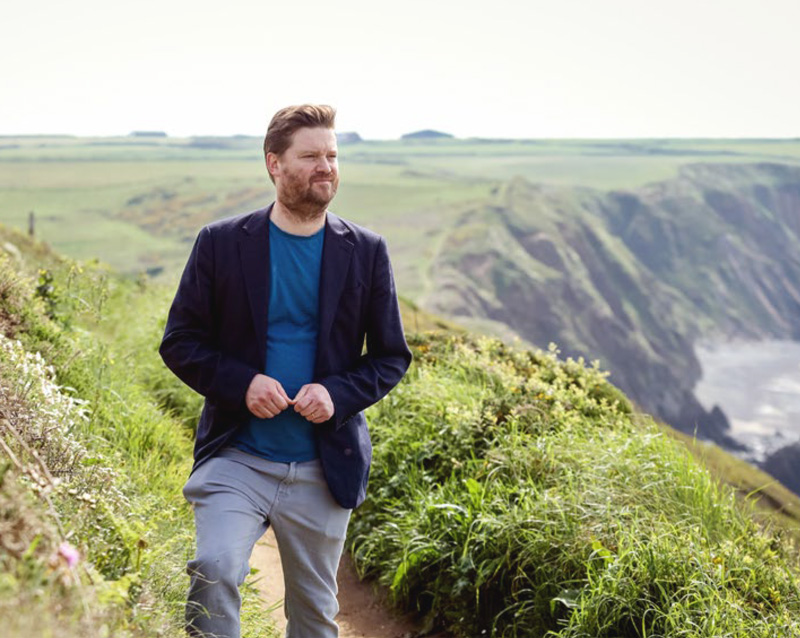
Despite these challenges, Pembrokeshire has a great deal going for it. The county is a naturally beautiful place that should attract even more tourists than it does – in fact, the only thing probably stopping that is the poor transportation infrastructure it has. As is the case in so many parts of Britain, new transportation infrastructure is badly needed. Train travel between Swansea or Port Talbot and the county is poorly provided and the car is king in Pembrokeshire as a result. Travelling to different parts of Pembrokeshire by rail is a nightmare – there are only a handful of services that run between Haverfordwest and St David’s each weekday, as an example. The road system should be reviewed as well, as parts of the county aren’t as well served as they should be.
The next report will be the master one, bringing all the findings from across the country together. Two Million Jobs will be launched in late October. It will contain all four regional chapters, as well as two concluding pieces, one which will be about lessons learnt on getting people from welfare to work, the other, on the conditions businesses require to thrive.
Read the full report Pembrokeshire: the cutting edge of Britain