Sir Charlie Mayfield on how businesses can keep and get people into work
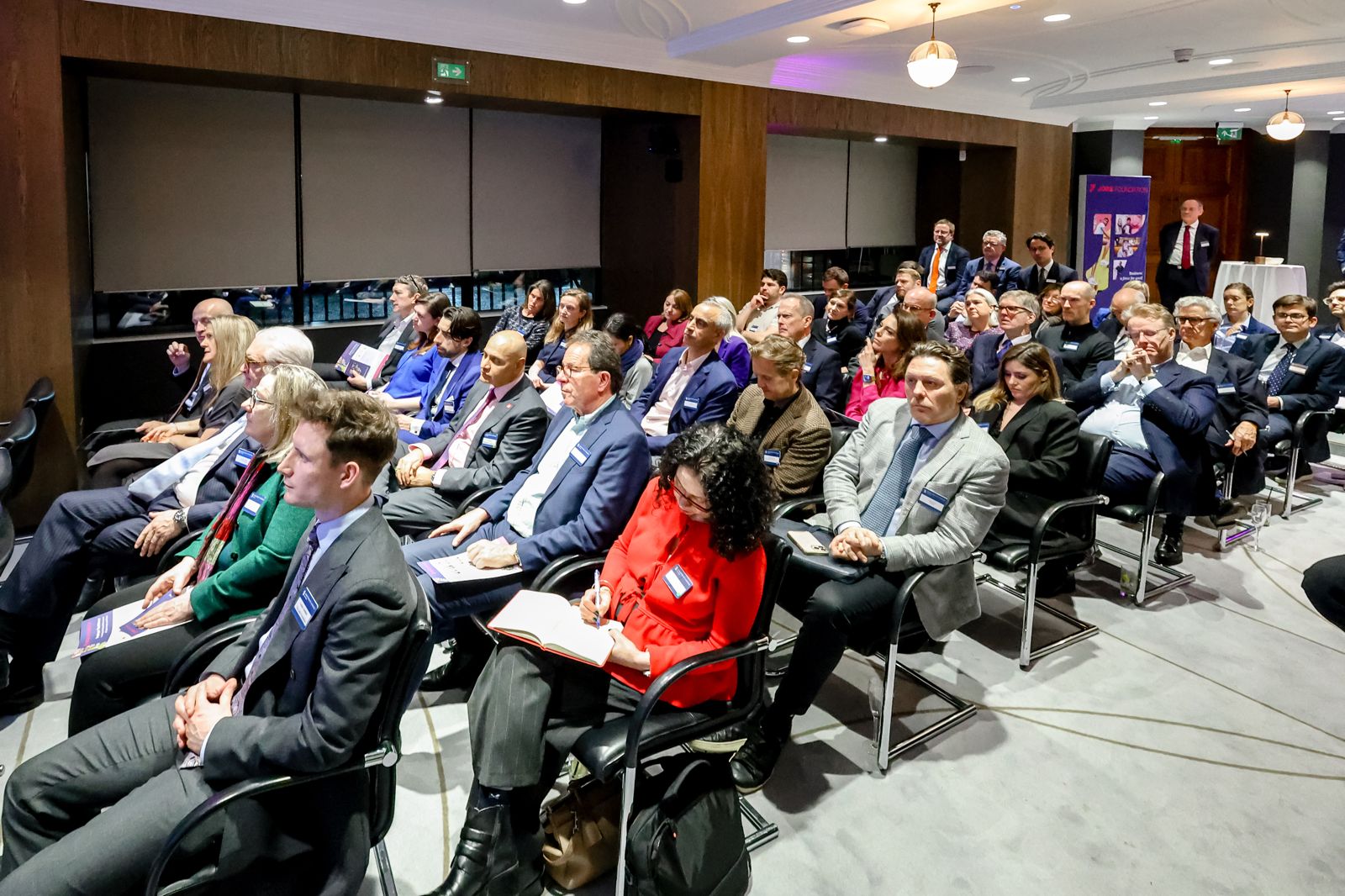
At a special reception hosted by the Jobs Foundation with Arbuthnot Latham last week, Sir Charlie Mayfield delivered a compelling vision for the future of the British workforce and how best to address the UK’s staggering rise in economic inactivity and unemployment.
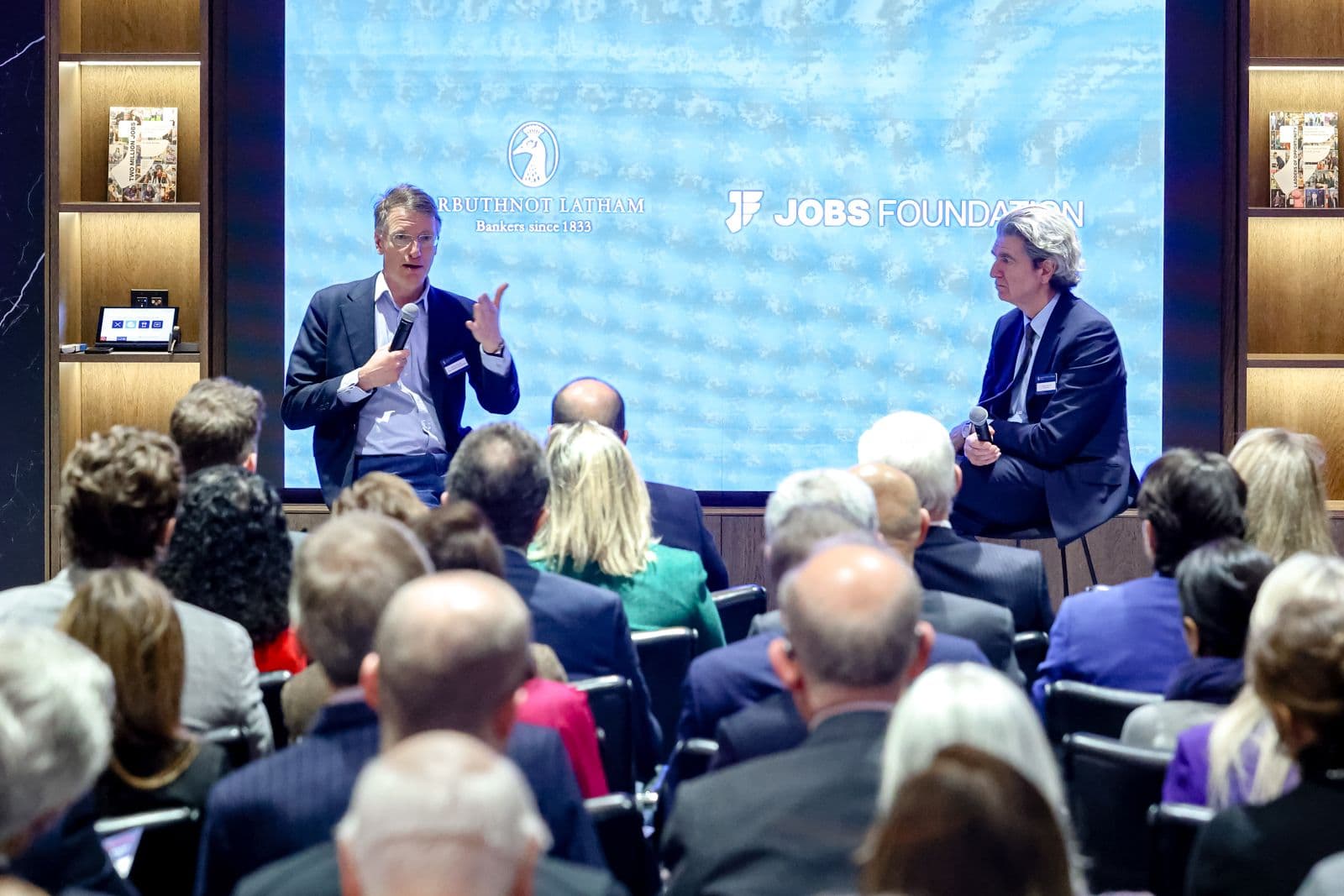
At a special reception hosted by the Jobs Foundation with Arbuthnot Latham last week, Sir Charlie Mayfield delivered a compelling vision for the future of the British workforce and how best to address the UK’s staggering rise in economic inactivity and unemployment. Interviewed by Octavius Black CBE, Executive Chairman of the Jobs Foundation Employer Taskforce, Sir Charlie argued that businesses must sit at the heart of the dual mission to both Keep Britain Working and to Get Britain Working.
While the prevailing narrative often suggests that UK businesses are too overburdened to manage long term sickness, Sir Charlie backed employers to help solve the problem. He stated that the goal of Keep Britain Working is to rebalance fundamentally how ill health and disability are supported in the workplace. By clarifying how employers can improve outcomes, by improving the accessibility and affordability of support, and by ensuring incentives are aligned, billions can be saved and thousands of lives and businesses improved.
The human and economic stakes are immense. Since the pandemic, 190,000 young people have fallen out of the workforce for reasons of ill-health or disability. These people are missing out on at least £1 million in lifetime earnings and the likely cost to the state runs to a similar figure. Sir Charlie described a negative spiral where inadequate early support too often leads to a permanent exit from work.
Addressing this requires more from employers, from employees, providers and government. A central theme of the evening was the urgent need to ‘rehumanise the workplace’. Sir Charlie clarified that this is not about soft or woolly policies but about incentive structures and support mechanisms that support a healthy work cycle. He argued that it is not acceptable for employers or staff to lose touch with each other during periods of long-term absence. Because GPs are rarely equipped to understand specific job nuances, the responsibility for a return-to-work plan must shift to the employer, the employee and to workplace health professionals, with a plan required between 2 and 6 weeks.
It was critical that any solutions work for SMEs, who employ two thirds of those in work in the UK. To achieve this, SMEs are being engaged closely within thein Vanguard phase, particularly via partnering with mayoral authorities and the devolved administrations.
The discussion also addressed the root causes of the UK skills gap. Sir Charlie suggested the drive to send 50% of young people to university looks increasingly misguided, and that, within the workplace, the UK spends only half as much on skills development per employee as its European neighbours.
His message was direct. Labour market reforms, whether they focus on ill health and disability, or skills and development, cannot and should not be a zero-sum game, where for employees to win, employers must lose. Hundreds of employers and even more SMEs via mayoral authorities, had already stepped forward to be a part of developing solutions in the context of Keep Britain Working. This was an example of the opportunity that exists to tackle some of the greatest challenges we face through effective partnering between government and employers.
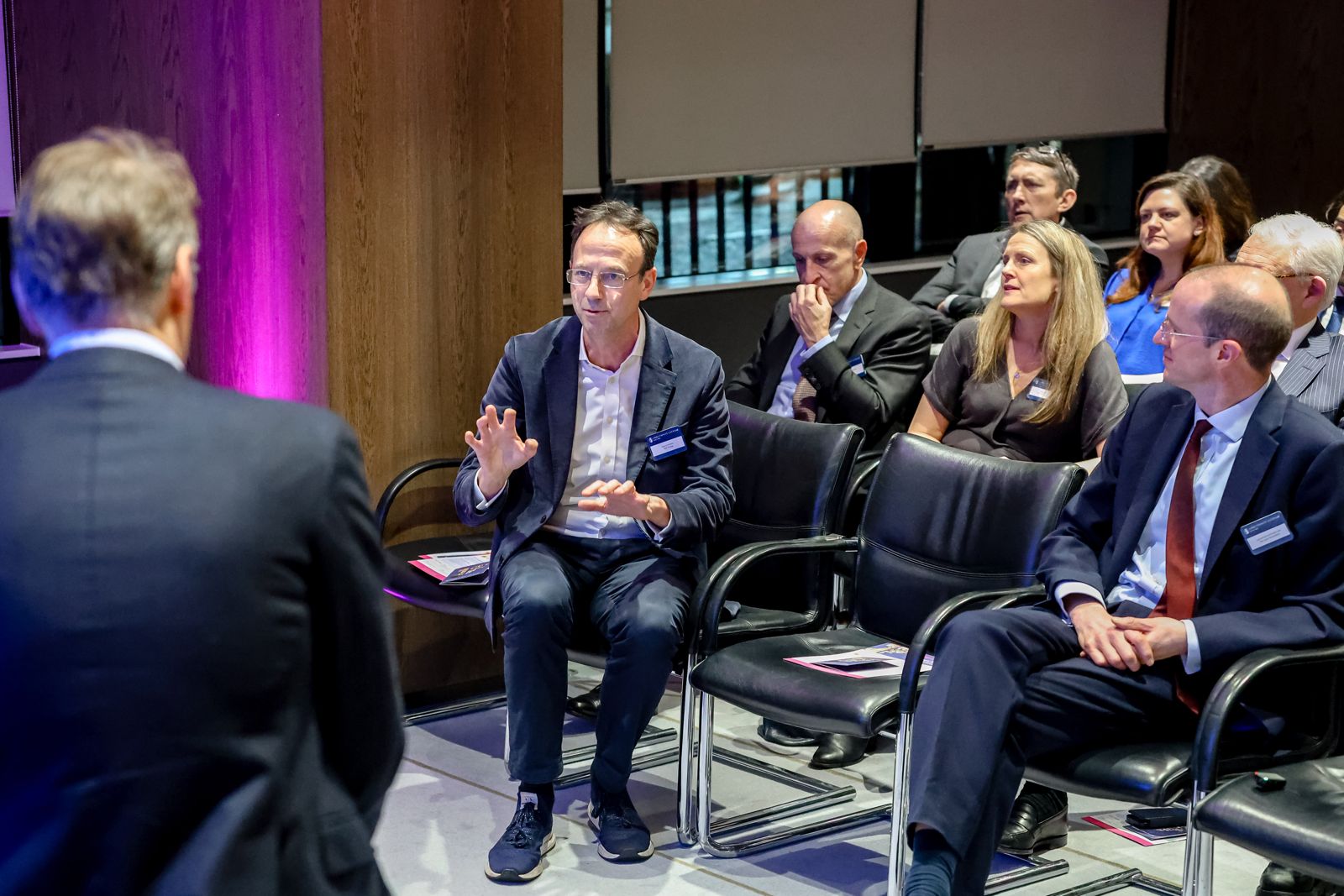
Alex Chisholm, Chair of EDF UK, provided a sobering reminder that the UK remains an outlier in long term sickness trends. He cautioned that while change is necessary, rushing delicate policy risks failure. Closing the evening, Sir Charlie reflected on the need to balance head and heart to maintain clarity and achievable ambitions. The enthusiasm from the business leaders in attendance underscored the momentum that’s evident in Keep Britain Working, that, by engaging employers, there’s scope to unlock resources, experience and expertise that are vastly greater than if the government tackles these issues alone.