Cliff Edge: Jobs in Aberdeen, the epicentre of the UK’s energy transition – the full report
The Jobs Foundation’s latest report, Cliff Edge: Jobs in Aberdeen, the epicentre of the UK’s energy transition, is an in-depth study of not only the energy sector in Aberdeen and the way that sector is so central to all parts of the local economy there, but also UK energy policy in the round.
Read the full report here: Cliff Edge
“There is a lack of stability, of trust in the Government of the UK. It was a bit of a throwaway comment, but one operator said to me recently about investing in the UK, ‘Yeah, we’re going to invest in oil and gas, but we’ll do it somewhere more stable, like Nigeria’. And he wasn’t joking. I thought, is that where we’ve got to?”
This stark comment was given to us by Bruce Ferguson, the Finance Director for Hunting PLC, a large manufacturing company that builds equipment for the energy sector, based in Aberdeen. It puts into harsh perspective what is at stake in terms of the United Kingdom fixing its energy policy. The energy sector in Aberdeen, as well as the UK as a whole, stands on a cliff edge, with the time to move back to safer land running thin.
The Jobs Foundation’s latest report, Cliff Edge: Jobs in Aberdeen, the epicentre of the UK’s energy transition, is an in-depth study of not only the energy sector in Aberdeen and the way that sector is so central to all parts of the local economy there, but also UK energy policy in the round. It features interviews with a selection of the major oil and gas companies who work in the North Sea, as well as GB Energy, the country’s nationalised energy company, and the Energy Transition Zone, a not-for-profit private sector-led company spearheading energy transition across the North East of Scotland. The report also contains interviews with business and charity figures outside of the energy sector, helping to round out a view of what is happening in the city.
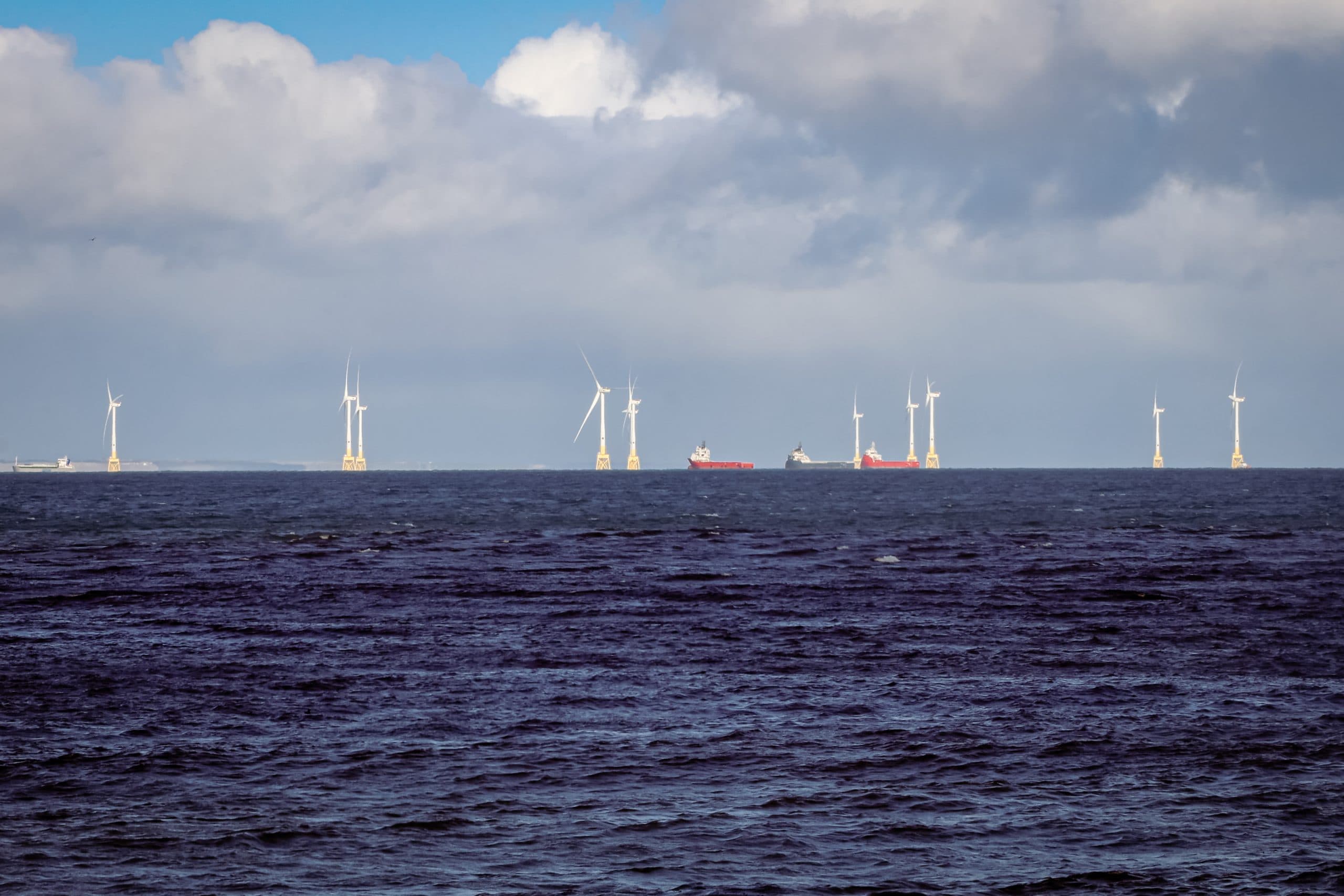
In our research for the paper, we discovered how nascent the UK renewables sector still is, particularly when compared to Norway, China or the US. Given current energy policy in the UK is heavily reliant on the renewables sector being ready and able to quickly scale up, this was worrying to discover. Worse, even if the renewables sector was massively scaled up from where it is now, there would still be a huge question mark around how greener energy will be able to provide the same scale of jobs that oil and gas has done over the last half century. Wind farms require staff of between five and nine people – when compared to oil rigs needing hundreds and hundreds of staff, it becomes clear that we haven’t thought enough about the impact on jobs a transition to cleaner energy might bring.
The report comes up with four main conclusions about how to fix energy policy - in Aberdeen, in Scotland and in the UK. In a sense, the conclusions were easy to reach given the unity of what we heard in Aberdeen. Everyone from the oil and gas producers, the decommissioning companies, those in the renewable sector, trade unions and politicians all agreed on what needs to be done. We can only hope that at some point, the UK government listens to what is being said.
As stunning as the quote about Nigeria is above, there is another quote that shines an even harsher light on this topic, in its own way.
“Our North Sea is in decline — let’s protect it during the transition and optimise our use of the resources that are left. We should scrap the windfall tax and protect the industry and its workers – we need to avoid the destruction of the industry, or we will see a repeat of what happened to our coalminers.”
That’s from Dale Vince, a green energy entrepreneur and someone who has donated money to Just Stop Oil, Extinction Rebellion, Greenpeace and the Labour Party over the years. This aptly demonstrates that the future of UK energy is a concern that extends across the political spectrum, with a consensus now reached that this was not handled well by the previous Government, nor is it being dealt with effectively now. We are on the verge of an energy crisis in the UK, well beyond simply the high prices with which we are currently suffering. We may soon lose any possibility of being energy independent ever again, as well as finding thousands upon thousands of jobs destroyed in the process. If we don’t start to improve energy policy in the UK, as Dale Vince says, look what happened to our coalminers. We could be about to repeat some of Britain’s largest mistakes, with working people paying the heaviest price for that.
The Jobs Foundation’s last report on energy, Jobs and Energy: The effect of high energy costs on the UK jobs market, by Rian Chad Whitton, highlighted how the UK has amongst the highest industrial energy prices in the developed world. In this report, we dig into why that is and how we aren’t doing anywhere near enough to turn the situation around. The cliff edge is here.
Read the full report here: Cliff Edge