Tax the Risk-Takers, Lose the Job-Makers
If we want to get Britain working again, we should be encouraging entrepreneurship, investment and job creation.
Higher Capital Gains Tax risks discouraging job creation and might even result in less tax revenue. Treasury calculations before the 2024 Autumn Budget, for example, found that increasing CGT by 10 percentage point would cost the Exchequer £3.5 billion in lost revenue.
We should back risk-takers and job-makers.
Join the campaign
Add your name. Support the campaign.
A rise of 10 percentage points would cost the Exchequer £3.5bn per year in lost revenues due to 'behavioural impacts'.
Treasury, 'Direct Effect of Illustrative Tax Changes Bulletin' (June 2025)
What Some Don't Understand About Capital Gains Tax.
What is Capital Gains Tax?
Capital Gains Tax is charged on the profit made when you sell an asset that has increased in value, such as shares, a business or a second property. You pay tax on the gain, not on the total amount you receive.
Why does CGT matter for jobs?
Most new jobs come from businesses that start up, grow or expand. That growth depends on people putting their money and time at risk. CGT is charged when that risk pays off, so raising it makes success less rewarding and reduces the incentive to invest in the first place. Fewer businesses started or expanded means fewer jobs created.
Who are the 'risk-takers'?
They're the people who commit savings, time and effort without knowing whether they'll succeed: founders who remortgage their homes, angel investors backing new ideas, family business owners reinvesting profits, and employees who take shares in the company they help build. Many lose money – around 7% of new UK businesses do not survive their first year. That jumps to 30% after year two and 47% after year three. CGT is paid only by those whose risk succeeds.
Why shouldn't capital gains be taxed at the same rate as income?
Income from a salary is relatively predictable and carries less personal financial risk. Capital invested in a business can be lost entirely, is often tied up for years, and is eroded by inflation along the way. The lower rate of CGT recognises that difference. Equalising CGT and income tax would treat a risky long-term investment as if it were a guaranteed pay cheque.
Every successful company starts with someone willing to bet their savings, their salary, and often years of their life on an idea that will probably fail. Most startups do fail, and when they do, the founder loses their investment. Yet when one finally succeeds, taxing that gain at the same rate as a guaranteed pay cheque treats the entrepreneur as if they had taken no more risk than someone collecting a monthly wage. That isn't smart economics.
It is well documented that higher CGT results in fewer people taking the leap to build something new, less early-stage funding, and talented founders taking their companies overseas. If we want a dynamic economy, we must address the economic incentives for business start-ups and job creation.
-
Won’t an increase in CGT raise more money for the Exchequer?
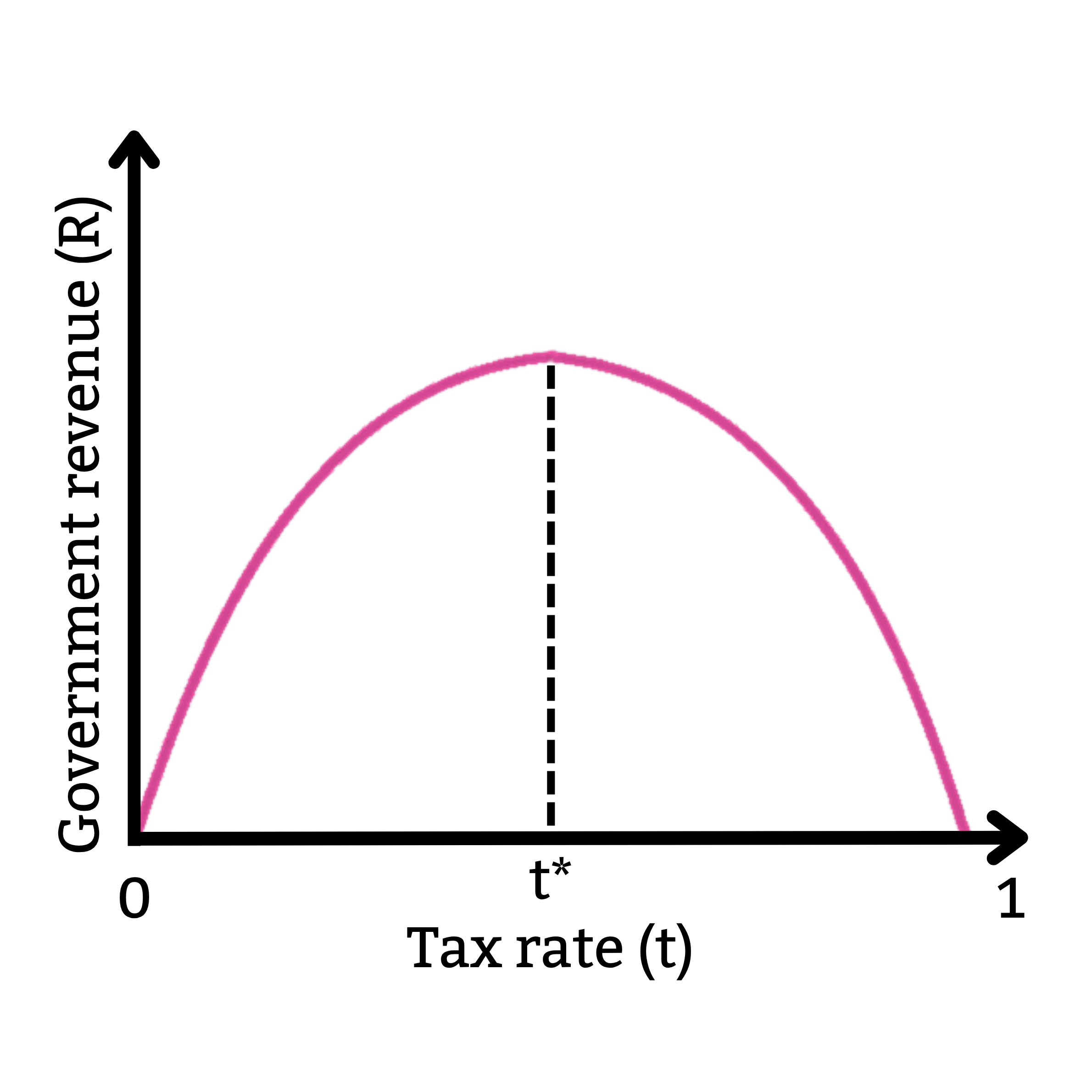
Not necessarily. A higher tax rate does not automatically mean a higher tax take, because people change their behaviour. Capital Gains Tax is often paid when an asset is sold, so raising the rate can encourage people to postpone selling, reduce investment or move future business activity elsewhere. According to Treasury (2024) modelling CGT is already higher than the rate that maximises revenue (estimated around 22%); pushing it even higher risks losing money.
Isn't this just a tax break for the wealthy?
No. The campaign is about encouraging investment in businesses of every size. Many people affected by CGT are ordinary business owners selling a company they spent decades building, often as their retirement plan. Higher rates also risk raising less money overall, because people can choose when, or whether, to sell. That leaves less to fund public services.
What would happen if CGT rates went up?
A 1% rise in Capital Gains Tax alone reduces taxable gains by 3.6%, according to a Treasury document in 2024. And according to the Treasury in 2025, a CGT rise of 10 percentage points would cost the Exchequer £3.5bn per year in lost revenues because of “behavioural impacts”.
How can I support the campaign?
Sign up above, to show your support for this campaign. Share the campaign on social media and tell your MP why backing risk-takers matters to jobs in your community.
The Laffer Curve
The Laffer Curve illustrates an important principle: higher tax rates do not always produce higher tax revenues. Beyond a certain point, increasing the rate can discourage investment, reduce economic activity and encourage people and capital to move elsewhere. This shrinks the tax base from which revenue is collected. There is little point in raising a tax rate if doing so reduces the amount of income, wealth or activity available to tax.
An increased CGT would harm employment by discouraging the investment and economic activity on which jobs depend. As Dr Arthur B. Laffer puts it, “taxes discourage output, employment and production.” By reducing the returns available to investors and business owners, increased CGT would weaken the incentive to invest, expand companies and create jobs, while encouraging people, businesses and capital to relocate to lower-tax jurisdictions. For Dr Laffer, the answer is not more tax, but lower rates applied across a broader tax base – supporting growth and creating the “good, high-paying jobs” which the country needs.