Clementina
‘As a parent and ex-Ofsted Inspector, the disconnect between educators and employers was obvious. With 6C’s, I’m bridging that gap’
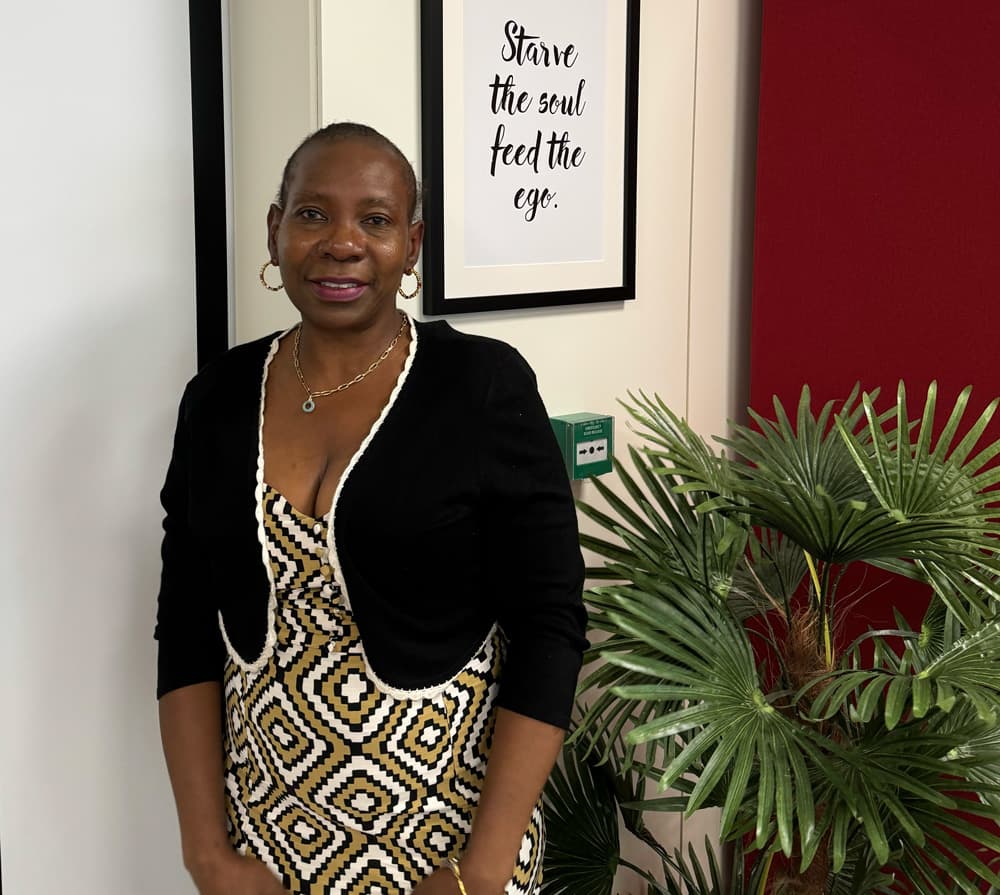
I spent more than 25 years as an Ofsted Inspector, working in the UK, UAE, USA, Cayman Islands & Saudi Arabia to provide curriculum framework reviews. But it was a conversation with my daughter that led me to create 6C's.
During her GCSE revision, she asked me for an example of a chemistry equation I'd learned at school. When I couldn't answer, a conversation began about knowledge acquisition and preparation for future careers, which ultimately led to the creation of 6C's. I recognised an urgent need to equip young people with tools to thrive at work and build long-term, sustainable careers.
The disconnect between educational facilities and the ever-evolving workplace is not unique to the UK, it's a problem I witnessed throughout my career regardless of location. I realised that this was an issue best solved by the private sector, working with educators both at home and abroad to provide students with a collaborative learning learning that equips users with teamwork, problem solving and digital skills. These core skills define the future of work and is enables employees to thrive in the workplace This is because employers require people who can work well in teams, think creatively, and solve problems. Added to this is being digital skills which assist employees adapt quickly, which keeps them a step ahead in their career.
How do we do this?
We collaborate with employers to provide authentic casework scenarios across different industry sectors, for students to work with on our platform - providing a diverse experience in real world workplace problems. This practical, authentic, exchange provides participants with the skills to hit the ground running once they enter the workplace. Our personalised digital workplace skills portfolio assists jobseekers to demonstrates that they are 'work ready'.
6C's is proof that private business can have a tangible societal impact whilst remaining profitable, which will facilitate our ambition to expand into the international market, addressing structural inequalities in educational standards. By creating opportunities for young people, we reduce inequalities in access to essential which enhances employability. When we equip young people with the right skills, we're not just helping them succeed as individuals—we're investing in better and brighter futures.