200,000 jobs to be lost as a result of Budget
Our post-Budget analysis finds that nearly 200,000 jobs will be lost following announcements in the Chancellor’s statement.
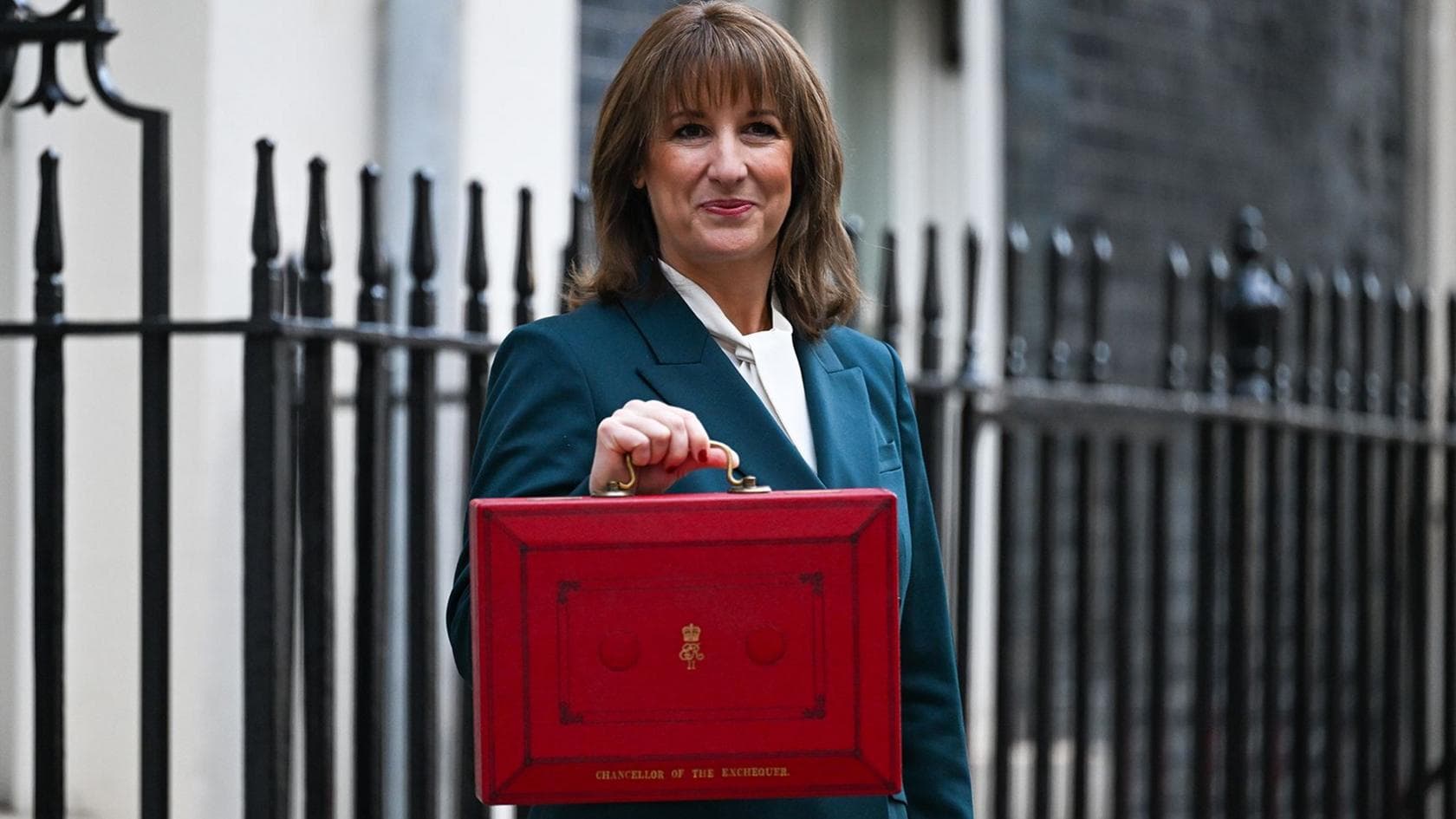
The Jobs Foundation has today warned that the Chancellor’s Budget will inflict significant long-term damage on the UK labour market, with new economic modelling forecasting nearly 200,000 fewer jobs in the UK by the start of the next decade.
Analysis conducted for the Jobs Foundation by Douglas McWilliams, renowned economist and co-author of Prosperity Through Growth, reveals that the £30 billion increase in taxation in the Budget will suppress investment and stifle entrepreneurship.
Key Projections: The behavioural modelling forecasts that by 2030-31:
- The employed labour force will be 0.5 per cent smaller than previously forecast – a reduction of 198,000 jobs.
- GDP will be by 1.9 per cent lower compared to the pre-Budget baseline.
These figures are likely the lower bound of the damage. As the Office for Budget Responsibility (OBR) did not score the potential impact of the Employment Rights Bill, the cumulative hit to employment from the Budget combined with new labour regulations is likely to be more severe.
Lord Matthew Elliott, President of the Jobs Foundation, said:
“Employers were fearful ahead of the Budget, and it turns out they were right to be. The Chancellor needs to recognise that there is a cost to increasing taxation and the minimum wage, especially in terms of opportunities for young people, and she must rule out excessive job-killing increases in future.
“We cannot tax our way to prosperity, and today’s figures show it is British workers who will pay the price.”
According to the analysis, higher taxes on savings will severely dampen investment, and this lack of capital injection will lower productivity to the detriment of GDP per capita. While the fall in jobs is significant, it is not fully proportionate to the sharp 1.9 per cent fall in GDP due to this predicted drop in productivity. A less productive economy requires more labour to produce the same output, paradoxically masking the full scale of the economic damage while leaving workers poorer in real terms.
The impact on GDP was estimated on a tax-by-tax basis using the measures announced in the Budget. These figures were processed through a behavioural model designed to estimate how economic actors change their behaviour in response to policy shifts, specifically calculating how reduced incentives to save and invest will lower productivity and employment demand through to 2031.