Our breakfast celebrating the ‘Jobs and Energy’ report
We were pleased to host Rian Whitton, author of ‘Jobs and Energy’, Simon Boyd, MD of REIDsteel, and Liam Halligan, economist and journalist, for our July breakfast discussing our recent report.

To celebrate our recent report, Jobs and Energy: The effect of high energy costs on the UK jobs market, we were thrilled to welcome a distinguished panel of guests, including the report’s author, Rian Whitton, MD of REIDsteel and JF Trustee, Simon Boyd, and economist and journalist, Liam Halligan.
Discussion varied from explaining the crisis in energy and what this means for energy intensive industries in the UK, to specifically how the steel sector is dealing with rising energy prices, energy infrastructure in the UK and the role of net-zero policies.
Rian opened remarks by discussing the energy intensive sectors that the report focuses on. Industries such as cement, glass, paper, steel, metal and battery production all are energy intensive industries which are suffering under the current price of energy in the UK. But Rian also reflected that the current energy cost crisis in the UK also threatens future key industries and infrastructure that will rely on cheap, abundant energy. This includes the data centres that will be needed for artificial intelligence development in the not-so-distant future.
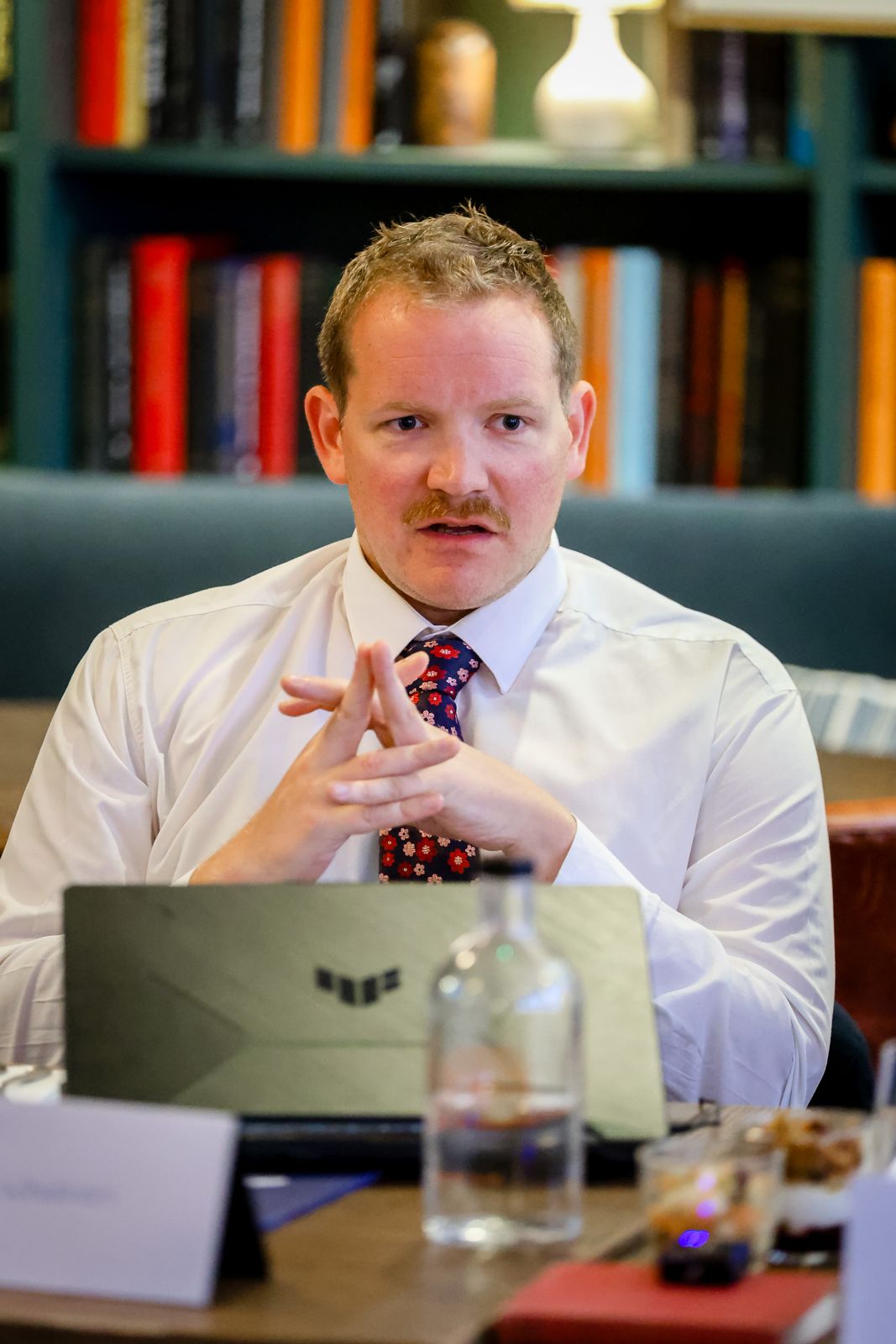
Energy intensive industries employ 416,000 people in the UK and produce a turnover of £170 billion year. The majority of these jobs can be found in the north of England and the Midlands, and these industries are incredibly important to their local economies. Rian compared this to green manufacturing, which has a turnover of only £20 billion. He explained that energy costs in the UK are becoming uncompetitive due to policy enacted by both the current and previous governments.
Simon then highlighted the topic of energy prices from the perspective of the steel industry. He introduced REIDsteel, explaining how they have a close relationship with British Steel who have been particularly suffering in recent years due to the high cost of energy. The company has faced a 300% increase in energy costs since 2020. He also discussed the issues around finding skilled workers, with the huge cost to employers to train those out of school to the necessary level.
Simon discussed net-zero policy in the UK and the need for policy changes in these areas to help energy intensive industries out of the current crisis they are in. He emphasised that the UK cannot rely on the financial sector to support the country in the future and that jobs in engineering and manufacturing will be needed. The UK should not export these jobs overseas where the manufacturing processes and environmental protections aren’t as rigorous as they are at home. He called on the Government to recognise that manufacturing is still important to the UK and argued that this needs to be reflected in Government policy to reduce energy costs.
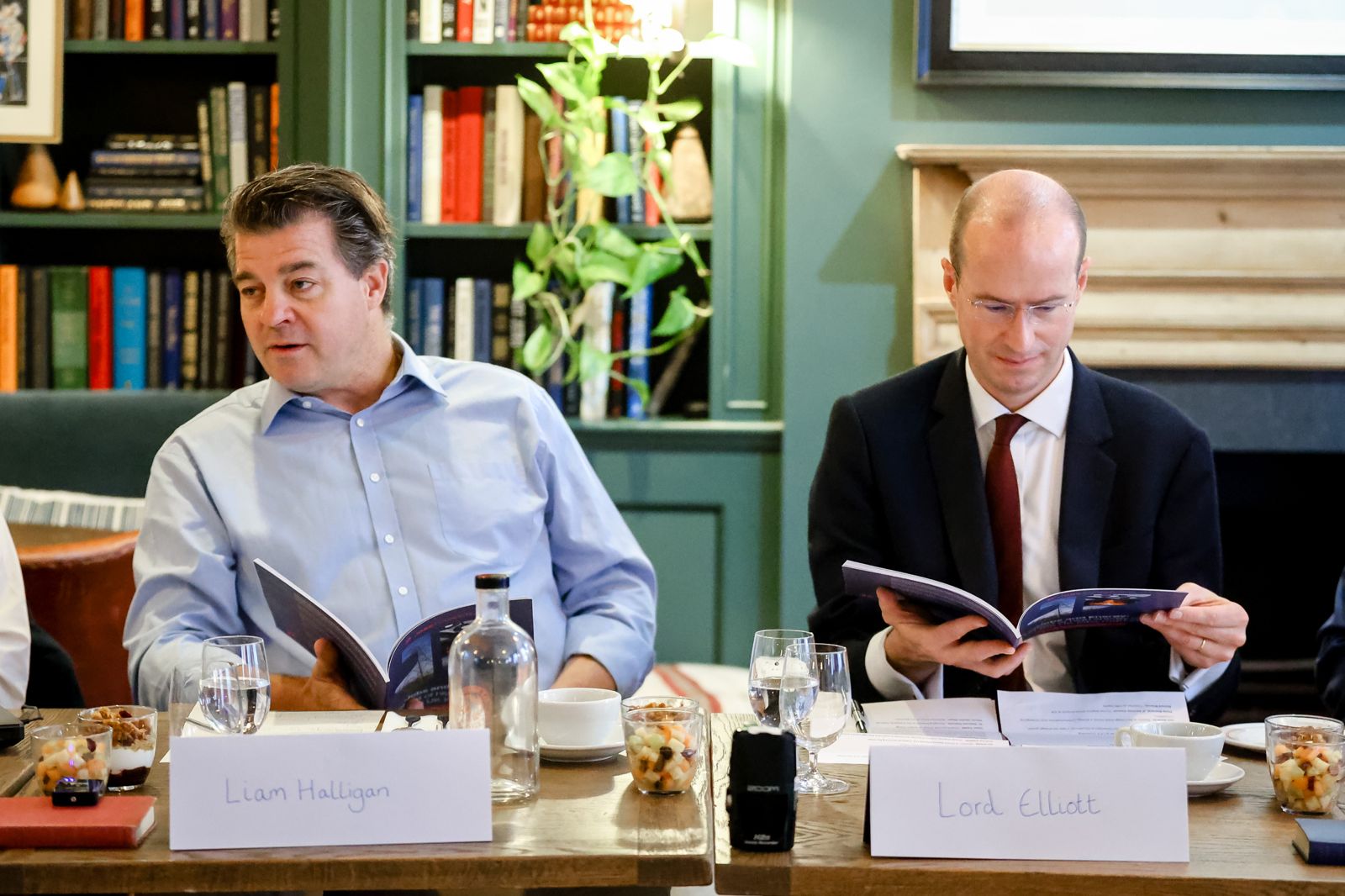
Liam then shared his thoughts on energy costs in the UK and the aim for net-zero in the UK. He spoke about how the current energy policies in the UK are affecting jobs and growth, relating the current low growth we are experiencing to the high cost of energy. Liam emphasised how it is ordinary people that are paying the cost of energy policy and its industrial activity and consumer sentiment that is suffering.
He also talked about how there is a rift in the country’s political parties surrounding net-zero policies. Liam discussed the potential of a referendum on net-zero, speaking on how there is a growing appetite for it amongst some voters, especially with growing energy prices.
We look forward to picking our breakfast series back up in October, where we will be discussing our upcoming report, Ladders of Opportunity.