Our breakfast with Shore Capital on the Aberdeen Energy Sector
Key Points: · The Energy Profits Levy is deterring investment in UK Oil & gas, causing tax-take decline · Government’s political weakness prevented it from pursing positive change for reasons of optics · High quality jobs are being lost or moving overseas, often replaced locally by low-wage employment · Promises of green jobs have not yet materialised in any […]
Key Points:
· The Energy Profits Levy is deterring investment in UK Oil & gas, causing tax-take decline
· Government’s political weakness prevented it from pursing positive change for reasons of optics
· High quality jobs are being lost or moving overseas, often replaced locally by low-wage employment
· Promises of green jobs have not yet materialised in any meaningful number
· HMT willing to be more pragmatic, to maintain the medium term taxation (with OGPM mechanism ready to go)
· However, dogma of the Secretary for State for Energy is blocking, causing wider deindustrialisation
· UK’s approach to Net Zero – or rather Zero – is stymying orderly energy transition, simply outsourcing our emissions abroad
· Time has not yet run-out, however, action now can still secure our own energy production, security, jobs and taxes
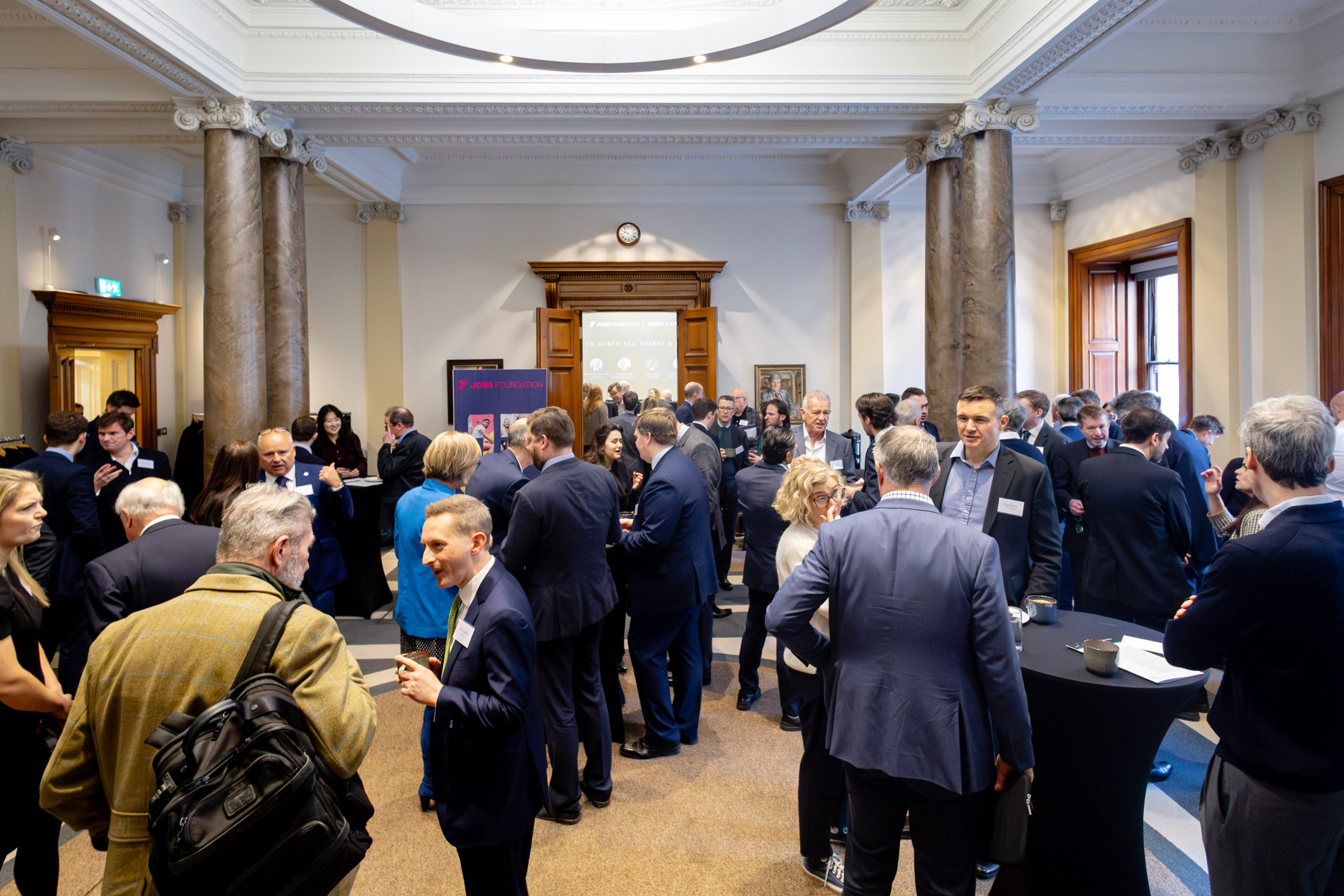
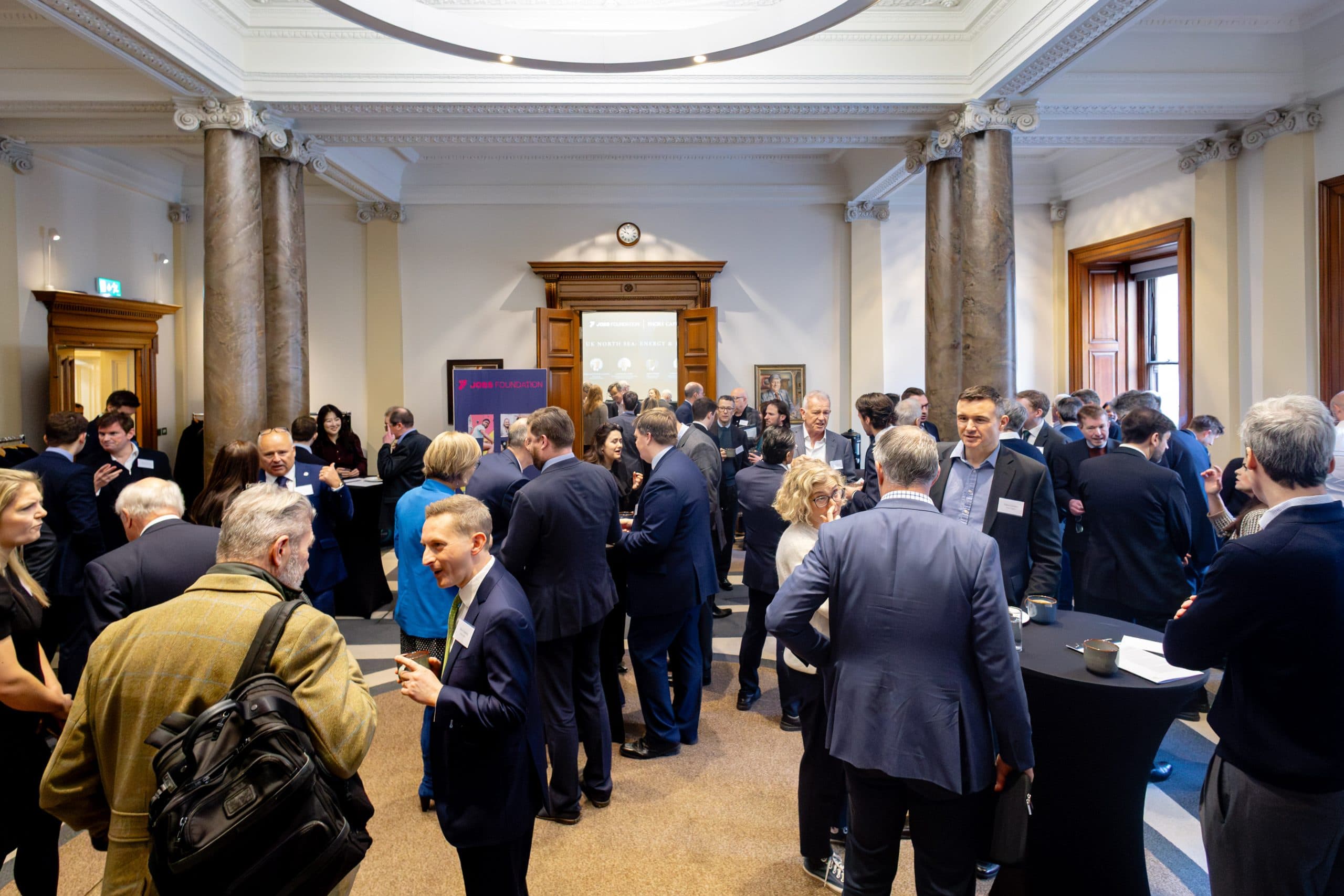
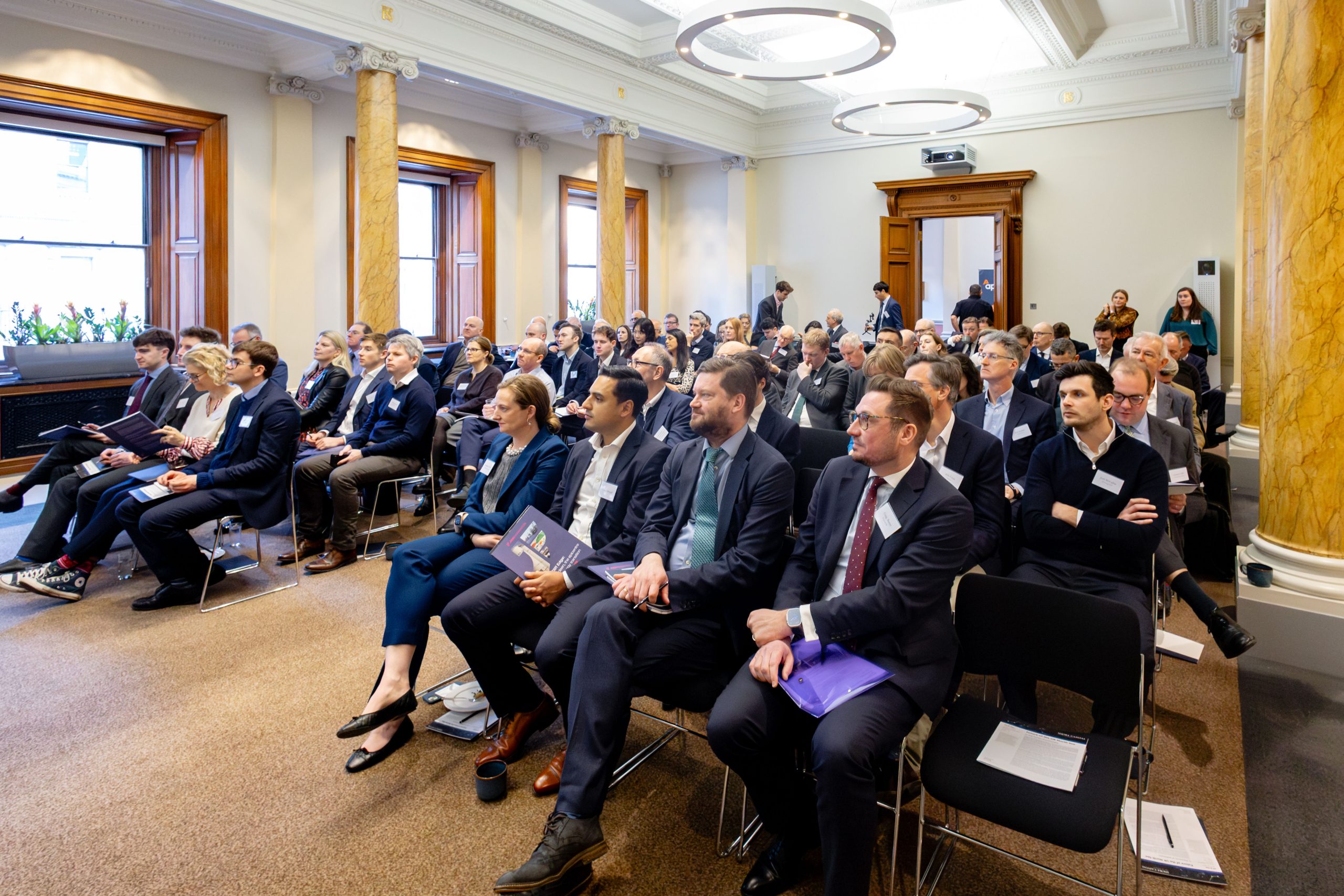
We were delighted to host a breakfast briefing with Shore Capital to discuss the ongoing impact of government policy on the UK energy sector.
The panel brought together a broad selection of perspectives on the energy industry: Lord Matthew Elliott, President of the Jobs Foundation; Amjad Bseisu, Founder and CEO of EnQuest PLC; Alasdair Locke, Scottish energy entrepreneur; and Andy Prendergast, National Secretary of the GMB. The discussion was ably hosted by Ben Canning, Managing Director of Shore Capital, alongside Georgina Edmonds, Senior Director at Camarco.
Lord Matthew Elliott, President of the Jobs Foundation, opened the discussion with an overview of the Jobs Foundation’s report, Cliff Edge: Jobs in Aberdeen, the Epicentre of the UK’s Energy Transition. He challenged the Chancellor’s rejection of job-loss forecasts, stating that “to dismiss these figures is to ignore what is already happening on the ground,” and warning that Aberdeen is “standing on a cliff edge as a result of current policy choices.”
Amjad Bseisu spoke candidly about the impact of the Energy Profits Levy since its introduction in 2022. “We have reduced our employees to less than 2,000, and that speaks volumes about what’s happening here,” he said. He went on to note that “our average tax rate over the last four years has been more than 100% in three of the last four years, which is almost unheard of.” As a result, he explained, “if you’re in a business paying more than 100% tax, it doesn’t make sense to continue investing — so we are pivoting, unfortunately, and we have opened our investments in Southeast Asia.”
Alasdair Locke raised concerns about the Government’s approach to net zero, arguing for a more pragmatic transition. “There is no one in the industry who does not believe that net zero is real”., however, “It’s really a transition to zero over a period of time, we can achieve that if we do it sensibly.” He questioned the logic of current supply chains, adding, “there is no point producing wind turbine blades in China using coal-powered energy. That’s not net zero.”
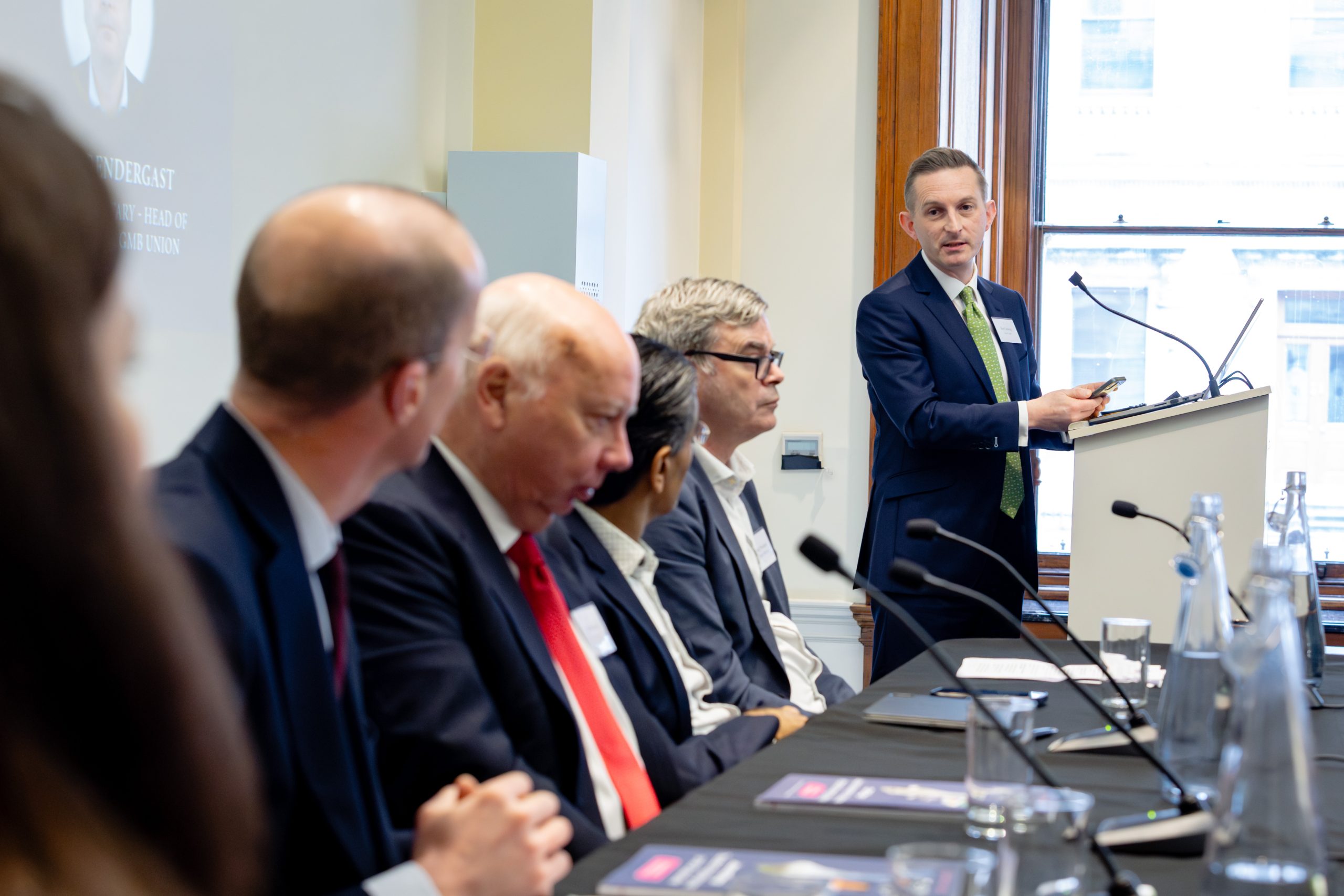
Andy Prendergast began by saying that climate change is real and must not be forgotten, but that the UK’s current path of shutting our existing extractive industry before the alternative is ready, does not help the matter, simply transferring the well-paid jobs, the taxes and the emissions overseas. He highlighted the gap between promises and reality in green energy employment. Referring to commitments made in 2010, he said, “30,000 renewable jobs were promised in Scotland. 15 years later, only around 10% of those have been delivered.” He added that many of the roles that do exist are “contract jobs, growing non-union, with intermittent pay, and they’re not very good jobs.”
We were joined by Paul de Leeuw, Director of the Robert Gordon University Energy Transition Institute, who underlined the scale of workforce loss across the sector. “We have been losing thousands of people over the last three years, and we have to correct it,” he said. “The big thing is building a workforce and a supply chain that brings our people together.” He closed by asking the panel whether they believed “we can recover?” The panel responded with relative hopefulness but the understanding that things were only going to get worse until government policy changed.
Ben Canning closed the discussion with a call for optimism and continued engagement. “We will continue to tell this story again and again for as long as we need to,” he said. “It may feel like a cliff edge, but it is not too late. What we need now is a sensible discussion in Parliament.”