Our President in the Telegraph on Employment Figures
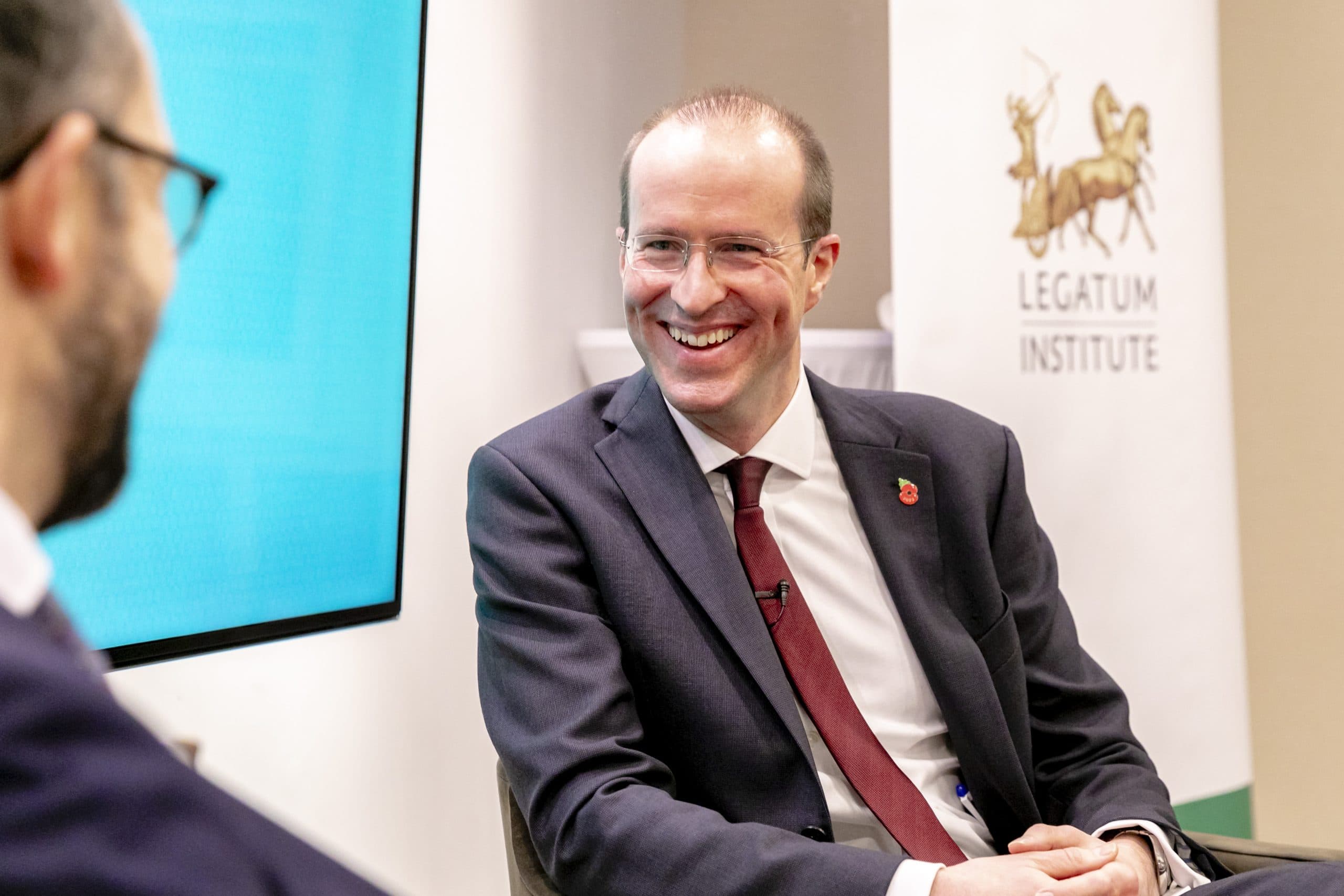
Our President writes for the Telegraph warning that we are now in the midst of a “serious jobs recession” and calls for action to reverse this worrying trend.
The latest employment figures released by the Office for National Statistics this morning paint a stark picture of Britain’s economic malaise. For the fourth month running, payrolled employment has fallen, a clear indicator that the UK is now in the midst of a serious jobs recession. Without urgent action, the impact on people will be devastating.
According to the ONS, another 40,000 people dropped off payrolls in June, meaning nearly two hundred thousand salaried employees have lost their jobs in the past year – the most significant decline in employment we’ve seen since the Covid pandemic or the global financial crash.
This fall means the Government’s goal of boosting the employment rate by bringing two million more people into work is now even further away.
Vacancy numbers tell an equally alarming story: for the 36th consecutive period, job vacancies have fallen. Employers – hit by the recent rise in Employer NICs, the increase in the Living Wage, and the looming threat of the Employment Rights Bill – are unsurprisingly choosing not to hire.
Last month, the Government faced mass rebellion from MPs as they attempted to make tweaks to the welfare system to encourage more people into employment. But any serious attempt to reform welfare to make sure more people can enjoy the benefits of a good job is reliant on businesses being there to create the employment and training opportunities that support people into work.
Without businesses being there to give people a step on that first rung on the ladder of employment, the Government will struggle to ever seriously reform welfare. Clearly, a welfare to work programme requires changes to welfare and the creation of work. Both go hand in hand.
As employment stalls, it’s not surprising that GDP is contracting too. The heady days of the Chancellor lauding the UK as being the fastest growing G7 nation in the first quarter of this year seem long gone, with two consecutive months of GDP contraction. When looking at GDP per capita, economic growth is even worse. As individuals, we have long experienced falling living standards.
And yet, even as employment and GDP figures are flashing red, indications are that the Government is about to make the same mistakes that they made in the run up to the autumn Budget last year. Rather than focusing on jobs and investment, ministers now openly flirt with the idea of a wealth tax – with the Chancellor notably refusing to rule this out in her Mansion House speech earlier this week.
Speculation is rife that the autumn Budget will contain some form of levy on assets. And business leaders, whose confidence is already in tatters, will now spend the next three months worrying about what tax rises they may face down the line.
Whilst some argue that wealth taxes are justified, this would be an act of economic self-harm. These taxes don’t just hurt the wealthy. They scare away investment, depress confidence, and send exactly the wrong message to job creators – just when we need them most.
The UK is already witnessing the consequences of this, with a record outflow of wealth creators and entrepreneurs. In 2024 alone, over 10,000 millionaires reportedly left the country – a 157 per cent rise on the previous year – and projections suggest more than 16,500 will depart in 2025, making the UK the world’s leading exporter of high-net-worth individuals.
This exodus is not just a matter of lost tax receipts. It threatens the broader ecosystem of job creation and investment. From venture capital backing for UK startups, to employment in hospitality and professional services, the loss of affluent residents means fewer opportunities and less capital circulating in the domestic economy.
As the Government dismantles the non-dom regime and introduces broader global income and inheritance tax liabilities, it must recognise that this risks undermining the very jobs and growth that the UK desperately needs. The fact the catchphrase of advocates of a wealth tax is “Tax the Rich” and not “Help the Poor” is telling.
More worryingly still, the Government has recently signed up to a UN-led tax manifesto that pushes for higher environmental levies and what it calls “gender-responsive taxation”.
It’s questionable as to why committing to international tax pledges is apparently the economic priority of a Government that is focused on boosting economic growth and getting more people back to work.
Time is not too late for the Prime Minister and the Chancellor to wake up to the crisis currently happening in the UK’s jobs market. A jobs-first economic policy would see a wealth tax immediately ruled out, the devastating hike to Employer NICs reversed, and a commitment to using the autumn Budget to give businesses the environment they need to thrive.
If we fail to act, we will look back on the employment figures published this summer not just as a warning sign, but as the start of a prolonged crisis. It’s not the high-net-worth individuals that will suffer if this happens, but those who remain locked out of work through a lack of businesses able to give them an opportunity. That would be an unforgivable failure.
You can find the original piece published in the Telegraph on 17th July, here.